


Smd Assembly
What is a SMD Assembly?
SMD assembly refers to Surface Mount Device assembly, a method of attaching electronic components to printed circuit boards (PCBs). Unlike through-hole components, which are inserted into holes in the board and secured by soldering both ends, SMDs are placed on the surface of the board and soldered in place. SMDs are smaller and require less space on the board than through-hole components, allowing for more components to be packed onto a single board. SMD assembly is commonly used in the manufacturing of electronic devices such as computers, smartphones, and televisions.
Why Choose Us?
Professional Team: Our company has a professional team of engineers and sales, with over 15 years of technical expertise and rich manufacturing, design, research and development experience and technical capabilities in the engineering plastic industry.
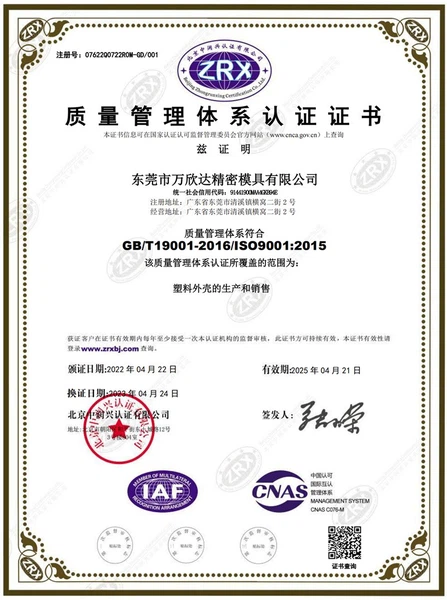
Advanced Equipment: We have a complete set of efficient production equipment and advanced CNC machine tools, Obtained ISO quality management system in April 2022. We have developed and accumulated rich experience in research and production in the electronic product industry.
Customized services: We listen to our clients objectives and aspirations and therefore provide customize solutions.
Quality Control: We have professional personnel to monitor the production process, inspect the products and ensure that the final product meets the required quality level standards, guidelines and specifications.


Benefits of SMD Assembly
Surface Mount Device (SMD) assembly allows for smaller components to be used in electronic devices. This leads to overall miniaturization of the devices, making them more compact and lightweight.
SMD assembly enables higher component density on a printed circuit board (PCB) compared to through-hole technology. The smaller size of SMDs allows for more components to be placed within the same area, allowing for greater functionality in electronic devices.
SMD assembly offers cost savings in terms of both materials and labor. The smaller size of SMD components reduces the amount of raw materials required, resulting in lower material costs. Additionally, the automated processes used in SMD assembly can lead to reduced labor costs, as it is faster and more efficient compared to manual assembly methods.
SMD assembly offers improved electrical performance due to shorter signal paths and reduced parasitic capacitance and inductance. The close proximity of components on the PCB reduces the length of the conductor tracks, leading to faster signal transmission and better overall performance.
SMD assembly provides higher reliability compared to through-hole technology. The solder joints in SMD assembly are typically stronger and more resilient, reducing the risk of component failure due to mechanical stress or environmental factors.
SMD components are designed to have thermal pads that allow efficient heat dissipation. This helps in managing and dissipating heat more effectively, preventing the overheating of components and improving the overall lifespan and reliability of the electronic device.
SMD assembly is highly compatible with automated assembly processes. The use of pick-and-place machines and reflow soldering techniques allows for fast and accurate assembly of SMD components. This reduces the need for manual labor and leads to more consistent and reliable production.
SMD assembly is well-suited for advanced technologies such as fine-pitch components, micro-BGA packages, and package-on-package (PoP) technology. These technologies enable higher performance and functionality in electronic devices, and SMD assembly plays a crucial role in their successful implementation.
Types of SMD Assembly
Manual Assembly: This is the traditional method where skilled operators manually place and solder SMD components onto the PCB. It is suitable for low-volume projects or prototypes that require flexibility and customization.
Automated Pick and Place: This method utilizes automated machines called pick and place machines to accurately and quickly place components onto the PCB. It is ideal for high-volume production as it significantly increases efficiency and reduces labor costs.
Chip-on-Board (COB): In this assembly method, unpackaged semiconductor chips are directly mounted onto the PCB. It eliminates the need for separate SMD components, reducing the overall size of the electronic device. COB is commonly used in compact electronic devices, such as mobile phones and wearables.
Chip Scale Package (CSP): CSP is a type of SMD assembly where the chip and its package are designed to have the same size or a very similar size. This results in compact and space-efficient electronic devices. CSP is commonly used in portable consumer electronics and miniaturized medical devices.
Ball Grid Array (BGA): BGA is a type of SMD assembly where the package used has an array of solder balls on the bottom. These solder balls provide electrical connections between the chip and the PCB. BGA is known for its high pin count, excellent electrical performance, and thermal management capabilities. It is commonly used in high-performance computing devices, such as gaming consoles and high-end graphics cards.
Quad Flat Package (QFP): QFP is a type of SMD assembly where the components have gull-wing leads extending from the sides of the package. This allows for easy soldering and a relatively high pin count. QFP is commonly used in consumer electronics, telecommunications equipment, and automotive electronics.
Thin Small Outline Package (TSOP): TSOP is a type of SMD assembly where the components are packaged in a thin and flat outline. This package is ideal for devices with limited vertical space, such as memory modules and flash storage devices.
Application of SMD Assembly


Consumer Electronics: One of the primary applications of SMD assembly is in the manufacturing of consumer electronics. SMD components are widely used in devices such as smartphones, tablets, laptops, televisions, and gaming consoles. The compact size and lightweight nature of SMDs make them perfect for these portable electronic devices.
Automotive Industry: The automotive industry heavily relies on SMD assembly for manufacturing advanced electronic systems in vehicles. SMD assembly is utilized for various components like airbag control modules, GPS systems, entertainment systems, and engine management units. The ability to incorporate complex functionalities in small and robust packages makes SMD assembly ideal for automotive applications.
Medical Devices: SMD assembly plays a vital role in the production of medical devices, ranging from small handheld devices to large medical equipment. SMD components are used in devices like pacemakers, blood pressure monitors, X-ray machines, and diagnostic equipment. The high precision and reliability of SMD assembly ensure accurate readings and long-term performance in these critical medical applications.
Aerospace and Defense: The aerospace and defense industries utilize SMD assembly for manufacturing electronic systems used in aircraft, satellites, missiles, and military equipment. SMD components are preferred for their compact size, light weight, and ability to withstand harsh operating conditions. The high level of integration achieved through SMD assembly enhances the performance and reliability of these systems.
Industrial Automation: SMD assembly is extensively employed in industrial automation for controlling and monitoring various processes. SMD components are found in programmable logic controllers (PLCs), machinery control systems, sensors, and communication modules. The small footprint and high-speed capabilities of SMDs enable efficient automation and seamless integration with other industrial systems.
Telecommunications: The telecommunications industry heavily relies on SMD assembly for manufacturing communication devices such as routers, switches, modems, and wireless equipment. SMD components enable the development of compact and high-performance devices that support modern communication standards. The efficient use of space and reduced power consumption offered by SMD assembly are vital for telecommunications applications.
Components of SMD Assembly
Printed Circuit Board (PCB): The PCB serves as the foundation for the SMD assembly. It provides a platform for the placement and connection of various components. PCBs are typically made of materials like fiberglass or epoxy resin with copper traces. These traces act as the conductive pathways for electrical signals.
Surface Mount Devices (SMDs): SMDs are electronic components that are designed for surface mounting onto the PCB. These components come in various forms, such as integrated circuits (ICs), resistors, capacitors, and diodes. SMDs are typically smaller in size and have a flat surface with metal terminals, making them suitable for automated assembly processes.
Solder Paste: Solder paste is a mixture of metal alloy particles and flux. It acts as both an adhesive and a conductive material during the assembly process. The solder paste is applied onto the pads of the PCB prior to component placement. When heated, the solder paste melts and fuses the SMDs with the PCB.
Flux: Flux is a chemical substance that helps clean and remove oxidation from metal surfaces. It is essential for good soldering and ensures a reliable electrical connection. Flux is often included in the solder paste, but additional flux may be added during the assembly process to ensure proper soldering.
Solder: Solder is a metal alloy with a low melting point used to create a permanent bond between the SMDs and the PCB. Common types of solder alloys include tin-lead (Sn-Pb) and lead-free alternatives like tin-silver-copper (Sn-Ag-Cu). The choice of solder depends on factors such as environmental regulations and application requirements.
Solder Mask: Solder mask is a protective layer applied to the PCB that covers all areas except for the solder pads. It helps prevent solder from spreading to unwanted areas during the assembly process, ensuring proper electrical insulation and preventing short circuits.
Stencil: A stencil is a template used to accurately apply solder paste onto the PCB. It is typically made of stainless steel or polymer material, with precisely cut openings that align with the solder pads on the PCB. The stencil helps control the amount of solder paste deposited, ensuring precise and consistent application.
Cleaning Agents: After the assembly process, any excess flux or solder residues on the PCB need to be removed. Cleaning agents, such as solvents or water-based solutions, are used to clean the surface of the PCB. Proper cleaning helps ensure the long-term reliability of the assembly and prevents any potential issues caused by residual contaminants.
The Using Steps of SMD Assembly

1.Preparing the Components
Gather all the required Surface Mount Device (SMD) components for the assembly process.
Ensure that all components are in proper working condition and free from any damages.
Organize the components based on their specifications and functionality for easy identification during the assembly process.

2.Preparing the Printed Circuit Board (PCB)
Clean the PCB thoroughly to remove any dust, dirt, or debris that may affect the assembly process.
Inspect the PCB for any existing damages or defects and repair them if necessary.
Apply solder paste to the appropriate pads on the PCB, ensuring proper alignment and distribution.

3.Placement of SMD Components
Use a pick and place machine to accurately position the SMD components onto their respective pads on the PCB.
Ensure that the components are placed in the correct orientation and alignment as per the PCB design.
Ensure that the components are placed with the appropriate amount of pressure to establish a secure connection with the solder pads.

4.Reflow Soldering
Transfer the assembled PCB to a reflow oven for the soldering process.
The reflow oven heats the PCB to a specific temperature, causing the solder paste to melt and establish a strong connection between the components and the PCB.
Monitor the reflow oven closely to ensure that the temperature and time parameters are maintained as per the manufacturer's recommendations.

5.Inspection and Testing
After the reflow process, inspect the assembled PCB for any soldering defects, such as bridging, tombstoning, or insufficient solder.
Use automated optical inspection (AOI) or manual visual inspection to identify any potential issues and rework them if necessary.
Perform functional testing on the assembled PCB to ensure that all components are functioning correctly and meeting the required specifications.

6.Cleaning and Packaging
Clean the assembled PCB to remove any flux residues or contaminants that may affect its performance or longevity.
Use industry-standard cleaning solutions and techniques to ensure proper cleanliness.
Once cleaned, package the assembled PCB in appropriate packaging materials, ensuring protection from physical damage, electrostatic discharge (ESD), and environmental factors.
Factors to Consider When Selecting SMD Assembly
Quality and Reliability: When selecting a surface mount device (SMD) assembly, it is crucial to consider the quality and reliability of the assembly. This includes the quality of the components used, the expertise of the manufacturer, and the reliability of the assembly process.
Equipment Capability: It is important to consider the assembly equipment's capability, including its level of automation, speed, precision, and flexibility. The equipment should be able to handle the specific requirements of the SMD components and provide consistent and accurate assembly.
Manufacturing Cost: The cost of SMD assembly should be considered, including the cost of the components, equipment, labor, and any additional services required. It is important to find a balance between cost-effectiveness and maintaining high quality and reliability.
Component Compatibility: Ensuring that the selected assembly is compatible with the specific SMD components is crucial. This includes considering the pitch, size, and package type of the components as well as any specific requirements for heat dissipation, electrical connections, or environmental factors.
Assembly Capacity: The assembly manufacturer's capacity and capability to handle the required volume and lead time should be assessed. This includes evaluating their production capacity, resources, and ability to meet the required production deadlines.
Technical Expertise: The technical expertise and experience of the assembly manufacturer should be considered. They should have a strong understanding of SMD assembly processes, techniques, and troubleshooting methods to ensure successful assembly.
Quality Control: The manufacturer's quality control processes and standards should be evaluated. This includes their testing methods, inspection procedures, and adherence to industry standards and certifications. A strong quality control system ensures the reliability and performance of the assembled SMD components.
Supply Chain Management: Assessing the manufacturer's supply chain management is important to ensure a reliable and consistent supply of components and materials. This includes evaluating their relationships with suppliers, their ability to source high-quality components, and their inventory management practices.
Design Support: The assembly manufacturer's ability to provide design support and guidance is an important consideration. They should be able to offer assistance in optimizing the design for manufacturability, component selection, and resolving any potential assembly issues.
Customer Support: Finally, the level of customer support provided by the assembly manufacturer should be considered. This includes their responsiveness, communication, and willingness to work closely with the customer to meet their specific requirements and address any concerns or issues that may arise.
Certifications




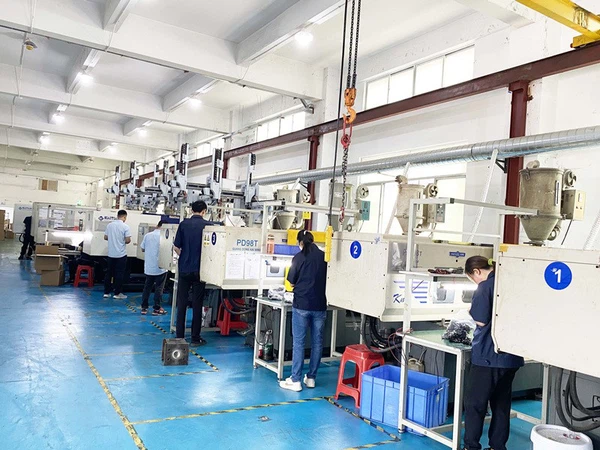
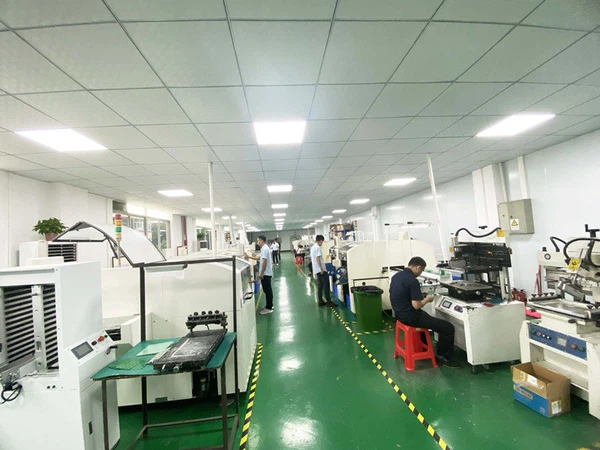
Our Factory
Our company has a professional team of engineers and sales, with over 15 years of technical expertise and rich manufacturing, design, research and development experience and technical capabilities in the engineering plastic industry, supporting personalized customization. We have a complete set of efficient production equipment and advanced CNC machine tools.


Frequently Asked Questions SMD Assembly
Q: What is SMD assembly?
Q: What are the advantages of SMD assembly over through-hole assembly?
Q: What are the most common types of SMD components?
Q: What is the difference between a pick-and-place machine and a reflow oven?
Q: What is the role of solder paste in SMD assembly?
Q: How do you ensure that the components are placed accurately during SMD assembly?
Q: What is the role of the reflow oven in SMD assembly?
Q: How do you test the finished PCB after SMD assembly?
Q: What are the most common defects in SMD assembly and how can they be prevented?
Q: What is the importance of cleanliness in SMD assembly?
Q: How can SMD assembly be optimized for high-volume production?
Q: What is the role of the PCB designer in SMD assembly?
Q: What are the safety considerations in SMD assembly?
Q: What is the role of quality control in SMD assembly?
Q: How can SMD assembly be improved for better performance and reliability?
Q: What are the components of SMD?
Q: What are the advantages of SMD components over conventional lead components?
Maximum flexibility when building PCBs.
Improved reliability and performance.
Increased automation.
Increased density – more components in a smaller space.
Ability to co-exist with through-hole components.
Smaller, lighter boards – great for today's electronics.
Q: What is the most common SMD package?
Q: What are the most used SMD components?
Q: What solder is best for SMD components?
For prototyping, we recommend lead solder since it is easier to use and the tools are generally lower cost.
We're professional smd assembly manufacturers and suppliers in China, specialized in providing high quality customized service. We warmly welcome you to wholesale cheap smd assembly made in China here from our factory. Contact us for quotation.
Tpu Injection Molding, Smt Ic, Plastic Injection Moulding Die Makers