


What is a Molded Precision Components?
Molded Precision Components refer to components that are manufactured using molds to ensure precision and repeatability. These components are typically used in applications where tight tolerances and precise specifications are required. The manufacturing process involves creating a mold based on a CAD model, injecting materials into the mold, and then cooling and removing the component once it has set. This process allows for high-volume production of identical parts with minimal variation. Some common examples of Molded Precision Components include gears, bearings, bushings, and other mechanical components.
Why Choose Us?
Professional Team: Our company has a professional team of engineers and sales, with over 15 years of technical expertise and rich manufacturing, design, research and development experience and technical capabilities in the engineering plastic industry.
Advanced Equipment: We have a complete set of efficient production equipment and advanced CNC machine tools, Obtained ISO quality management system in April 2022. We have developed and accumulated rich experience in research and production in the electronic product industry.
Customized services: We listen to our clients objectives and aspirations and therefore provide customize solutions.
Quality Control: We have professional personnel to monitor the production process, inspect the products and ensure that the final product meets the required quality level standards, guidelines and specifications.


Benefits of Molded Precision Components
Molded precision components are manufactured using advanced molding techniques and high-quality molds, resulting in parts with excellent dimensional accuracy. This ensures proper fit and function of the components, reducing the likelihood of assembly errors or malfunctions.
The molding process allows for the production of precision components with consistent quality. The use of highly controlled molding parameters ensures that each part is manufactured to the same high standard, regardless of production volume. This reduces the variance in component quality, leading to improved overall product performance and reliability.
Molded precision components offer a cost-effective solution compared to other manufacturing methods. The high level of automation and repeatability in the molding process allows for the production of parts at a faster rate with minimal labor requirements. This leads to lower production costs and higher production efficiency, ultimately resulting in cost savings for manufacturers.
Molded precision components can be designed with intricate features and complex geometries that are not easily achievable using traditional manufacturing methods. This opens up new possibilities for designing components with improved functionality, such as better sealing capabilities, reduced weight, and increased strength.
The molding process allows for a high degree of design flexibility, enabling the production of components with customized shapes and sizes to meet specific application requirements. This flexibility in design often leads to better integration within the overall product design, optimizing performance and minimizing space requirements.
Molded precision components can be manufactured using a wide range of materials, including various plastics, elastomers, and composites. This allows for the selection of materials that best suit the intended application, considering factors such as mechanical properties, chemical resistance, and environmental conditions.
The molding process allows for the precise control of material usage, minimizing waste and reducing the environmental impact of component production. Additionally, certain molding techniques, such as injection molding, utilize recyclable materials, further contributing to sustainability efforts.
Types of Molded Precision Components
Connectors: Molded precision connectors are widely used in electronic devices and systems. They provide a secure and reliable connection between different components, ensuring proper signal transmission.
Seals and gaskets: Molded precision seals and gaskets are used to prevent leaks and ensure airtight or watertight seals. These components are commonly used in automotive, aerospace, and industrial applications.
O-rings: O-rings are circular seals with a round cross-section. They are commonly used in hydraulic and pneumatic systems to prevent leakage of fluids or gases. Molded precision O-rings offer high precision and durability.
Bearings: Molded precision bearings are commonly used in machinery and equipment to reduce friction and enable smooth rotational or linear movement. These components are crucial for the efficient and reliable operation of various mechanical systems.
Bushings: Bushings are cylindrical components used to provide support and reduce friction between moving parts. Molded precision bushings offer tight tolerances and excellent durability, making them suitable for various applications, including automotive and industrial equipment.
Electrical insulators: Molded precision electrical insulators are used to prevent the flow of electricity between conductive parts, ensuring proper insulation and protection. These components are commonly found in electrical and electronic devices.
Caps and covers: Molded precision caps and covers are used to protect sensitive components from dust, moisture, and other contaminants. They are commonly used in electronics, automotive, and industrial applications.
Housings and enclosures: Molded precision housings and enclosures provide protection and support for electronic and mechanical components. These components are designed to withstand harsh environmental conditions and provide proper mounting and sealing options.
Customized components: Molded precision components can be customized to meet specific design requirements. Manufacturers can tailor the size, shape, and material properties according to the application's needs, ensuring optimal performance and functionality.
Medical implants and devices: Molded precision components are used in the medical field for implants and devices. These components must meet strict quality standards and ensure biocompatibility and reliability.
Application of Molded Precision Components


Automotive industry: In the automotive industry, molded precision components are used in the manufacturing of engines, transmission systems, braking systems, and electrical components. These components ensure smooth operation, improve efficiency, and reduce noise and vibration.
Electronics industry: The electronics industry utilizes molded precision components in the production of computer hardware, mobile devices, and consumer electronics. These components provide accurate connections, protect delicate circuits, and enhance the durability of electronic devices.
Medical field: Molded precision components find application in the medical field for the manufacturing of devices such as pacemakers, insulin pumps, and diagnostic equipment. These components offer reliable performance, ensure the safety of medical devices, and aid in patient care.
Aircraft manufacturing: The aerospace industry uses molded precision components in aircraft manufacturing. These components are essential in the production of engines, structural elements, and avionics systems. They provide strength, reduce weight, and improve overall efficiency in aerospace applications.
Household appliances: Molded precision components are also integral in the production of household appliances, such as refrigerators, washing machines, and air conditioners. These components enhance the functionality, longevity, and energy efficiency of appliances, making them more reliable and cost-effective.
Manufacturing: In the manufacturing sector, molded precision components are employed in the production of machinery and industrial equipment. These components ensure precise operation, minimize downtime, and improve overall productivity in industrial processes.
Defense industry: Molded precision components are utilized in the defense industry for the manufacturing of military vehicles, communication systems, and weaponry. These components enhance the performance and durability of defense equipment, contributing to the safety and effectiveness of military operations.
Renewable energy: The renewable energy sector relies on molded precision components for the manufacturing of solar panels, wind turbines, and energy storage systems. These components improve the efficiency and reliability of renewable energy technologies, promoting a sustainable future.
Sporting Goods: Molded precision components are also used in the production of sporting goods, such as golf clubs, tennis rackets, and bicycles. These components provide strength, durability, and improved performance, enhancing the overall sporting experience.
Telecommunications Industry: In the telecommunications industry, molded precision components are used in the production of communication devices, network equipment, and fiber optic systems. These components ensure reliable connections, minimize signal loss, and improve the efficiency of telecommunication networks.
Commonly used materials for molded precision components
Thermoplastics: These materials are widely used for precision molding due to their excellent strength, flexibility, and ability to withstand high temperatures. Common thermoplastics used for precision components include polypropylene, polyethylene, polystyrene, and polyamide.
Thermosetting plastics: These materials are ideal for precision molding as they provide high strength and dimensional stability. Examples of thermosetting plastics commonly used for precision components are epoxy resins, phenolic resins, and melamine formaldehyde.
Metal alloys: Metal alloys such as aluminum, stainless steel, and titanium are commonly used for precision components where high strength and durability are required. These materials are known for their excellent mechanical properties and resistance to corrosion.
Rubber and elastomers: Rubber materials such as silicone, natural rubber, and neoprene are frequently used for precision molded components that require flexibility, sealing capabilities, and resistance to heat and chemicals.
Composite materials: Composite materials offer a combination of different properties, making them suitable for precision components. Carbon fiber reinforced polymers, fiberglass reinforced plastics, and ceramic composites are examples of commonly used composite materials.
Ceramics: Ceramics are often chosen for precision molding due to their excellent heat resistance, electrical insulation properties, and high strength. Alumina, zirconia, and silicon nitride are commonly used ceramics for precision components.
Foam materials: Foams, such as polyurethane foam and expanded polystyrene, are used for precision components that require cushioning, insulation, or lightweight properties.
Engineered plastics: These materials are specifically designed to meet the high-performance requirements of precision components. Examples include polyether ether ketone (PEEK), polyphenylene sulfide (PPS), and liquid crystal polymers (LCP).
Glass: Glass materials, such as borosilicate glass or soda-lime glass, are occasionally used for precision components that require transparency, chemical resistance, or optical properties.
Biocompatible materials: For precision components used in medical or healthcare applications, biocompatible materials like medical-grade silicone, bioabsorbable polymers, or stainless steel alloys are commonly utilized.
Components of Molded Precision Components
Base Material: Molded precision components are typically made from a wide range of base materials such as plastic, metal, ceramic, or composite materials. The choice of base material depends on the desired properties of the component, such as strength, durability, heat resistance, and electrical conductivity.
Mold: The mold used in the manufacturing process is a crucial component. It is typically made from steel or aluminum and is designed to create the desired shape and dimensions of the precision component. The mold is carefully machined with high precision to ensure consistent and accurate reproduction of the component.
Injection System: For plastic molded precision components, an injection system is used. It consists of a barrel, screw, and nozzle. The plastic material is heated and melted in the barrel, and then injected under high pressure into the mold cavity through the nozzle. This ensures that the molten material completely fills the mold and takes the desired shape.
Cooling System: Once the molten material is injected into the mold, a cooling system is used to rapidly cool down the material and solidify it. This is important to ensure dimensional accuracy and prevent deformation of the precision component. Cooling can be achieved through various methods such as water channels, cooling fans, or even cryogenic cooling.
Ejector System: After the molded precision component has solidified, it needs to be ejected from the mold. An ejector system comprising of ejector pins or plates is used for this purpose. The pins or plates push against the component from the opposite side of the mold, allowing it to be easily released without any damage.
Finishing Operations: In many cases, molded precision components require additional finishing operations to achieve the desired surface finish, texture, or specific features. These operations may include machining, polishing, painting, or coating. Finishing operations not only enhance the aesthetics but also improve the functionality and performance of the component.
Quality Control: Quality control is an essential component of the manufacturing process for molded precision components. It involves thorough inspection and testing at various stages, including raw material inspection, in-process inspection, and final inspection. This ensures that the components meet the required specifications and quality standards.
How are molded precision components inspected for quality

Visual Inspection
The first step in inspecting molded precision components is a visual examination. Trained inspectors carefully examine the components to detect any visible defects, such as surface imperfections, cracks, or deformities. This inspection helps to identify any issues that could impact the component's performance or longevity.
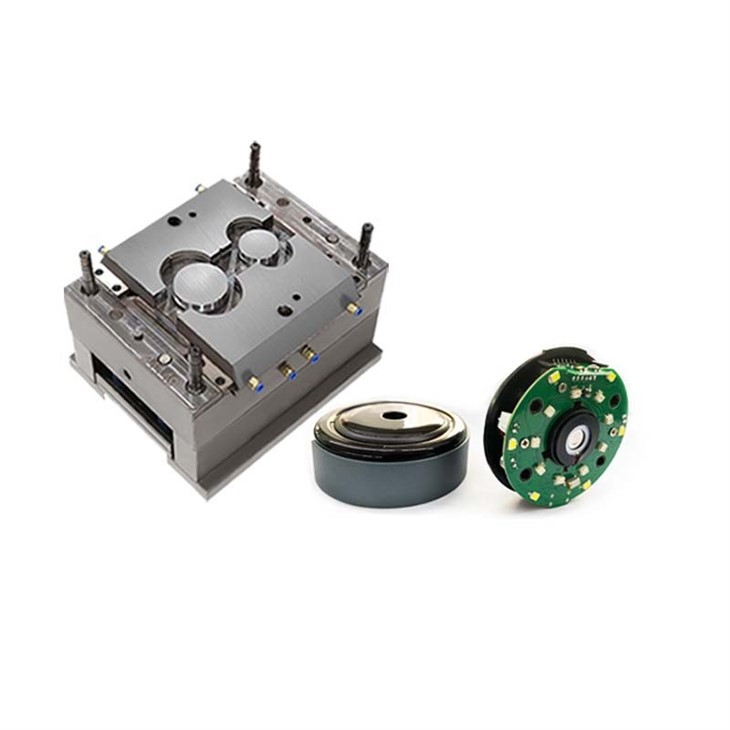
Dimensional Measurement
Accurate dimensions are critical for molded precision components. Various tools, such as calipers, micrometers, and gauges, are used to measure the dimensions of the components. These measurements are then compared to the specified tolerances to ensure that the components meet the required standards. Any deviations from the specified dimensions are thoroughly examined to identify potential causes.

Mechanical Testing
Molded precision components often undergo mechanical stress during operation. Mechanical testing is performed to assess their strength and durability. This includes conducting tests such as tensile strength, compression tests, and impact resistance. These tests evaluate the component's ability to withstand different forces and stresses, ensuring they meet the safety and performance requirements.

Material Analysis
The quality of the materials used to produce molded precision components is a crucial factor. Chemical analysis methods, such as spectroscopy and microscopy, are employed to verify the composition and purity of the materials. Any impurities, inclusions, or deviations from the desired material properties are identified through material analysis.

Non-Destructive Testing (NDT)
Non-destructive testing techniques are utilized to inspect the integrity of the molded precision components without causing any damage. These techniques include X-ray inspections, ultrasonic testing, dye penetrant testing, and magnetic particle inspection. NDT helps to detect internal defects, such as cracks, voids, or delamination, which are not visible during visual inspection.

Functional Testing
Molded precision components must function as intended in their respective applications. Functional testing involves subjecting the components to specific conditions or simulated environments to evaluate their performance. This includes testing factors such as temperature resistance, chemical resistance, electrical conductivity, or fluid flow. Any malfunction or deviation from the desired functionality is carefully analyzed.

Statistical Process Control (SPC)
To ensure consistent quality, statistical process control is often employed during the manufacturing of molded precision components. SPC involves continuously monitoring and controlling the production process using statistical tools. This helps to identify any variations or deviations from the desired specifications, allowing for prompt correction and improvement.
How are molded precision components produced
Design and engineering: The first step in producing molded precision components is to design and engineer the part. This involves creating a detailed CAD (Computer-Aided Design) model and conducting simulations to ensure the part meets the required specifications.
Mold design: Once the design is finalized, a mold needs to be created. Mold design involves determining the shape, size, and features of the mold, including the cavities, runners, and gates necessary for the molding process.
Material selection: The next step is to choose the appropriate material for the molded precision component. Factors such as mechanical properties, chemical resistance, temperature resistance, and cost are taken into consideration during material selection.
Mold preparation: Before the actual production process begins, the mold needs to be prepared. This includes cleaning and inspecting the mold, ensuring it is free from any defects or contaminants that could affect the quality of the final component.
Injection molding: Injection molding is the most commonly used method to produce molded precision components. In this process, the selected material is melted and injected into the mold at high pressure. The material fills the cavities within the mold and takes the desired shape of the component.
Cooling and solidification: After the material is injected into the mold, it needs to cool and solidify. The cooling time is carefully controlled to ensure the component retains its shape and dimensional accuracy.
Mold opening and ejection: Once the material has solidified, the mold is opened, and the newly formed component is ejected. The mold opening is a critical step that requires precision to avoid any damage to the component or the mold.
Post-processing: After the component is ejected, it may undergo additional post-processing steps. This can include trimming excess material, polishing, surface treatments, or any other necessary finishing operations.
Quality control: Throughout the production process, quality control measures are implemented to ensure the molded precision components meet the required specifications. This can involve visual inspections, dimensional checks, functional tests, or other validation processes.
Packaging and distribution: Lastly, the molded precision components are carefully packaged and prepared for distribution. This may involve proper labeling, documentation, and storage to ensure the components reach their intended destination in optimal condition.
Certifications


Our Factory
Our company has a professional team of engineers and sales, with over 15 years of technical expertise and rich manufacturing, design, research and development experience and technical capabilities in the engineering plastic industry, supporting personalized customization. We have a complete set of efficient production equipment and advanced CNC machine tools.


Frequently Asked Questions SMD Assembly
Q: What are molded precision components?
Q: What industries commonly use molded precision components?
Automotive: Molded precision components are used in the manufacturing of automotive parts such as gears, bearings, and bushings.
Medical: The medical industry relies on molded precision components for the production of medical devices, implants, and diagnostic equipment.
Electronics: Molded precision components are used in the production of electronic devices such as circuit boards, connectors, and switches.
Aerospace: The aerospace industry uses molded precision components in the manufacturing of aircraft parts, engines, and avionics systems.
Industrial machinery: Molded precision components are used in the manufacturing of industrial machinery such as pumps, compressors, and gearboxes.
Energy: The energy industry uses molded precision components in the production of wind turbines, solar panels, and other renewable energy technologies.
Q: Why are molded precision components preferred over other manufacturing methods?
1. High precision: Injection molding allows for the creation of components with very tight tolerances, which can improve the quality and performance of the finished product.
2. High production rates: Injection molding can produce thousands of parts per hour, making it ideal for high-volume production.
3. Consistency: Injection molds produce parts with consistent dimensions and tolerances, which can improve the quality of the finished product.
Cost-effectiveness: Injection molds can be designed for a wide range of applications, from small consumer products to large industrial components, making them a cost-effective solution for many manufacturing needs.
Design flexibility: Injection molding allows for the creation of complex shapes and designs that may not be possible with other manufacturing methods.
Material versatility: Injection molding can use a wide range of materials, including plastics, metals, and composites, allowing for flexibility in material selection.
Overall, the precision, consistency, cost-effectiveness, design flexibility, and material versatility of molded precision components make them a preferred choice for many manufacturing applications.
Q: What materials are used in molded precision components?
Q: How are molded precision components produced?
Q: What are the main quality control measures for molded precision components?
Q: Can molded precision components be customized?
Q: What is the typical lead time for manufacturing molded precision components?
Q: Are molded precision components cost-effective?
Q: What are the limitations of molded precision components?
Q: What is the expected lifespan of molded precision components?
Q: Can molded precision components withstand extreme temperatures?
Q: Are molded precision components resistant to chemicals?
Q: Are there size limitations for molded precision components?
Q: Can molded precision components be used for high-stress applications?
Q: How are molded precision components inspected for quality?
Q: Can molded precision components be produced in high volumes?
Q: How do molded precision components contribute to product efficiency?
Q: Can molded precision components be used in medical applications?
Q: What is the role of a mold designer in the production of molded precision components?
| Origin |
Guangdong, China |
||||||||||
| Product size |
Customizable size |
||||||||||
| Mold cavity |
Single cavity/multi cavity |
||||||||||
| Delivery time |
Mold 15-30 days |
||||||||||
| Injection molded shell |
delivery time based on quantity |
||||||||||
| Model |
SY-TMY |
||||||||||
| Graphics format |
2D/(PDF/CAD) 3D (IGES/STEP) Mold material: Nak80, P20, H718, S136, SKD612738, DC53, H13, etc |
||||||||||
| Service |
OEM \ ODM |
||||||||||
| Molding Method |
injection molding/mold manufacturing |
|||
| Mold Life |
200000-500000 Injection |
|||
| Molding Material |
ABS/PP/PVC/PET/PA66/PA6/PMMA/PUS PCTG/TPE/TPU/PBT, etc |
|||
| Production Experience | 20 Years Of Injection Mold Manufacturing | |||
| Application Industries | Beauty Salon/Smart Home/3C Digital Electronics/Vehicle/Computer, Etc. | |||
| Injection Molding Machine | 90T-470T | |||
|
Injection Molding Machine Processing Method |
customized drawings or sample processing | |||
| Certificate | GB/T19001-2016/s09001:2015 | |||