


Mold Tooling
What is a Mold Tooling?
Mold tooling refers to the physical components of a mold that are used to shape a material during the manufacturing process. It typically consists of a mold cavity and a mold core, which come together to create the desired shape of the finished product. The mold tooling is typically made from durable materials such as steel or aluminum and can be customized to accommodate a wide range of products and materials. It is an essential component of many manufacturing processes, including injection molding, blow molding, and die casting.
Why Choose Us?
Professional Team: Our company has a professional team of engineers and sales, with over 15 years of technical expertise and rich manufacturing, design, research and development experience and technical capabilities in the engineering plastic industry.
Advanced Equipment: We have a complete set of efficient production equipment and advanced CNC machine tools, Obtained ISO quality management system in April 2022. We have developed and accumulated rich experience in research and production in the electronic product industry.
Customized services: We listen to our clients objectives and aspirations and therefore provide customize solutions.
Quality Control: We have professional personnel to monitor the production process, inspect the products and ensure that the final product meets the required quality level standards, guidelines and specifications.


Benefits of Mold Tooling
Precision
Mold tooling allows for the creation of highly precise and accurate parts. The molds are designed with intricate details, enabling the production of complex shapes and features with tight tolerances. This precision ensures that each part is consistent in size and shape, minimizing variations and improving product quality.
Efficiency
Mold tooling is a cost-effective manufacturing process. Once the molds are created, they can be used repeatedly to produce a large number of parts. This leads to high production efficiency and reduces the overall production time. Additionally, the automated nature of mold tooling allows for a faster turnaround time, meeting tight deadlines and increasing productivity.
Versatility
Mold tooling can be used with a wide range of materials, including plastics, metals, and ceramics. This versatility makes it suitable for various industries and applications. Whether it's for automotive parts, electronic components, or household goods, mold tooling can accommodate different materials and produce customized parts to meet specific requirements.
Consistency
Mold tooling ensures consistent part quality throughout the manufacturing process. Since the molds are designed to precise specifications, the resulting parts are uniform in shape, size, and surface finish. This consistency is essential for assembly processes, reducing the need for manual adjustments or modifications.
Cost savings
Mold tooling offers long-term cost savings. While the initial investment in mold creation may be significant, the high production volume and efficiency result in lower per-unit costs. Moreover, mold tooling eliminates the need for additional machining or finishing operations, reducing labor and material costs.
Design flexibility
Mold tooling allows for design flexibility, enabling the production of complex and customized parts. The molds can be easily modified or replaced to accommodate design changes, allowing for quick iterations and product improvements without significant downtime or cost.
Waste reduction
Mold tooling minimizes material waste compared to other manufacturing processes. The molds are designed to optimize material usage, reducing scrap and minimizing environmental impact. Additionally, any excess material from the molding process can be recycled and reused, further promoting sustainability.
Scalability
Mold tooling is scalable, making it suitable for both small-scale and large-scale production. Whether it's a small batch of parts or mass production, the molds can be replicated and used repeatedly to meet varying production requirements. This scalability ensures that mold tooling can adapt to changing demands and accommodate growth.
Types of Mold Tooling
Open molds, also known as open-face molds or flat molds, are the simplest type of mold tooling. They consist of a single cavity where the molten material is poured and allowed to solidify. Once solidified, the mold is opened, and the part is removed. Open molds are typically used for simple and flat-shaped objects such as coasters or plaques.
Closed molds, also called two-part molds, are more complex than open molds. They consist of two halves that fit together to create a cavity for the material to be molded. The molten material is poured into the cavity through a small opening called a gate. After solidification, the mold is opened, and the part is removed. Closed molds are commonly used for producing more intricate and three-dimensional shapes.
Injection molding is a highly popular and efficient method for mass producing plastic parts. In injection molding, a specially designed injection mold is used. The mold consists of a hollow cavity, into which molten plastic is injected under high pressure. The plastic then cools and solidifies, taking the shape of the cavity. Once cooled, the mold is opened, and the molded part is ejected. Injection molds allow for high precision and complex part geometries.
Blow molding is a manufacturing process used for creating hollow objects such as bottles or containers. A blow mold consists of a cavity, which is shaped like the desired final product. Initially, a hot tube of molten plastic, called a parison, is formed. The parison is then placed into the blow mold, and compressed air is used to expand the plastic into the mold cavity, taking its shape. After cooling, the mold is opened, and the final part is removed.
Rotational molding, also known as rotomolding, is a molding technique used for creating large and hollow objects, such as storage tanks or playground equipment. A rotational mold consists of two halves that are clamped together and mounted on a machine known as a rotomolding machine. The mold is then rotated on two axes, while the molten plastic is poured into it. The rotation helps distribute the plastic evenly inside the mold, creating a uniform thickness. After cooling, the mold is opened, and the finished part is removed.
Application of Mold Tooling
Plastic Injection Molding
One of the most common applications of mold tooling is in plastic injection molding. This process involves using a mold to shape molten plastic into a desired product. The mold, made using mold tooling techniques, determines the shape, size, and texture of the final plastic product. Plastic injection molding is widely used in the production of consumer goods, automotive parts, electronic components, and more.
Metal Casting
Mold tooling is also integral to metal casting processes. In casting, a mold is used to shape molten metal into the desired form. Mold tooling is employed to create the intricate cavities and channels necessary for producing complex metal parts. Metal casting is commonly used in industries such as automotive, aerospace, and construction.
Blow Molding
Another application of mold tooling is in blow molding. This process is used to produce hollow objects made of plastic, such as bottles, containers, and tanks. Mold tooling enables the shaping and stretching of heated plastic to create these hollow objects. Blow molding is widely used in the packaging industry, particularly for producing various types of plastic bottles.
Die Casting
Die casting is a process where molten metal is forced into a mold cavity under high pressure. The mold tooling used in die casting ensures precise and accurate shaping of the metal. Die casting is commonly used in the production of metal components for various industries, including automotive, aerospace, and electronics.
Thermoforming
Thermoforming is a process that involves heating a plastic sheet and shaping it over a mold using vacuum pressure. Mold tooling allows the creation of specific shapes and contours for products such as trays, packaging, and automotive interior parts. Thermoforming is used in industries such as food packaging, healthcare, and automotive.
Extrusion
Mold tooling is employed in extrusion processes, where a material, often plastic, is forced through a die to create a continuous profile or shape. The die, made using mold tooling techniques, determines the shape and dimensions of the extruded product. Extrusion is used in the production of various plastic products such as pipes, tubes, sheets, and profiles.
Material of Mold Tooling
Steel
Steel is a widely used material in mold tooling due to its mechanical properties. It provides a high level of hardness, durability, and thermal conductivity, making it suitable for molding processes that involve high temperatures and pressures. Common types of steel used in mold tooling include P20, H13, and S7.
01
Aluminum
Aluminum is another popular material choice for mold tooling, especially for low-volume production or prototyping. It offers good thermal conductivity, which allows for quicker cooling and faster cycle times. However, aluminum is not as durable as steel and may require frequent maintenance or replacement.
02
Stainless Steel
Stainless steel is often used in mold tooling when corrosion resistance is essential. It is suitable for molding processes that involve materials with corrosive properties, such as certain plastics or chemicals. Stainless steel also offers good polishing properties, which is beneficial for achieving smooth surface finishes.
03
Copper
Copper is known for its excellent thermal conductivity, making it ideal for molds that require rapid heat transfer. It is commonly used in electrical component molding or any application where heat dissipation is critical. However, copper molds can be expensive and may require additional maintenance to prevent oxidation.
04
Composites
Composite materials, such as fiberglass-reinforced plastics (FRP), carbon fiber-reinforced polymers (CFRP), or epoxy resin, are becoming increasingly popular in mold tooling. These materials offer a combination of high strength, lightweight, and corrosion resistance. Composite molds are particularly advantageous for large-scale production and complex part geometries.
05
Components of Mold Tooling


Mold Base
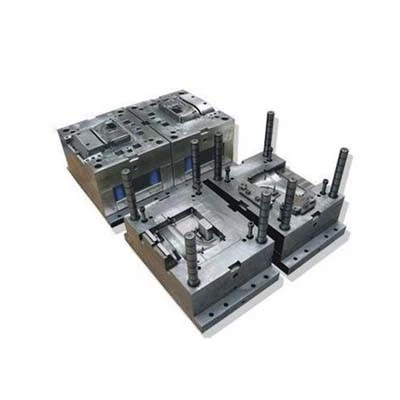
The mold base is the main component of the mold tooling. It provides the necessary support and stability to hold all the other components together. It is usually made from high-quality steel or aluminum and contains various cavities, cores, and inserts.
Cavities
Cavities are the hollow spaces in the mold base where the molten material is injected to form the desired shape. They can be single or multiple, depending on the complexity of the product. Cavities are designed in such a way that they have the exact shape and dimensions of the final product.
Cores
Cores are the solid components of the mold that shape the inner features of the product. They are used to create holes, recesses, and other internal details. Cores are placed inside the cavities and are usually designed to be removable for easy extraction of the final product.
Inserts
Inserts are additional components that are incorporated into the mold to create specific features or enhance its functionality. They can be made from various materials like plastic, metal, or ceramics and are inserted into the mold base before the molding process begins. Inserts may be used for creating threads, logos, or any other intricate details.
Sprue, Runner, and Gates
These components are responsible for guiding the molten material into the cavities. The sprue is the main channel through which the material enters the mold, while the runner distributes the material to different cavities. The gates are small openings that control the flow of material into each cavity, ensuring proper filling and preventing defects.
Ejection System
The ejection system facilitates the removal of the final product from the mold after it has solidified. It usually consists of ejector pins or sleeves that push the product out of the cavities. The ejection system is designed to minimize damage to the product and ensure smooth ejection.
Cooling System
The cooling system helps regulate the temperature of the mold during the molding process. It usually includes cooling channels or circuits that circulate cooling fluids, such as water or oil, to remove heat from the mold. Proper cooling is essential to achieve consistent product quality and minimize cycle time.
Venting System
The venting system allows the escape of air or gases trapped in the mold during the molding process. It prevents defects like air traps or burns on the surface of the product. Venting can be achieved through vents or venting lines strategically placed in the mold.
Fastening Mechanisms
Various fastening mechanisms, such as screws, bolts, or clamps, are used to secure the mold components together tightly. These mechanisms ensure that the mold remains intact during the injection process, preventing any leakage or misalignment.
Guiding Systems
Guiding systems assist in the alignment and accurate closing of the mold. They can include guide pins, bushes, or slides that ensure proper alignment of the mold components. Guiding systems also help in the easy removal and reinstallation of the mold for maintenance or replacement.
How to Use the Mold Tooling
Preparing the mold
Start by cleaning the mold and ensuring it is free from any debris or contaminants. Inspect the mold for any damage or wear that may affect the quality of the final product. Apply a release agent or lubricant to the mold surface to prevent sticking.
Setting up the mold
Position the mold in the molding machine or press, making sure it is securely fastened. Adjust the clamping force and define the injection parameters such as temperature, pressure, and injection speed according to the material being used and the desired product specifications.
Loading the material
Depending on the molding process, load the appropriate material into the machine. This can be in the form of pellets, powder, or liquid resin. Ensure the material is measured accurately and that any necessary additives or colorants are added as required.
Injecting the material
Once the mold is closed and the material is loaded, initiate the injection process. The machine will push the material into the mold cavity under high pressure. Monitor the process to ensure proper flow and filling of the mold. Adjust the injection parameters if necessary.
Cooling and solidification
After the material is injected into the mold, it needs time to cool and solidify. This process can be accelerated by controlling the temperature of the mold or using cooling channels. Proper cooling is crucial to prevent defects and enhance the final product's quality.
Ejecting the molded part
Once the material has solidified, open the mold and remove the finished part. This can be done manually, or with the help of ejection pins or automated systems. Pay attention to any potential sticking or deformation of the part during ejection.
Post-processing
After removing the part from the mold, inspect it for any defects or imperfections. Trim or finish the part as necessary to achieve the desired final appearance. Any additional processes such as painting, polishing, or assembly may also be carried out at this stage.
Maintenance and cleaning
After each use, clean the mold and remove any residual material to prevent contamination. Regularly inspect the mold for wear or damage, and carry out any necessary maintenance or repairs. Proper care of the mold will prolong its lifespan and ensure consistent production quality.
Injection Mold Maintenance Checklist

1. Perform Basic Maintenance Checks Before and After Each Production Cycle
Before starting a new production cycle, it is important to thoroughly inspect the injection molds. Examine the surfaces of the injection molding die to make sure they are free of plastic or contaminants. Any foreign debris may cause interference when the tool clamps down and cause the plastic to seep into the parting area during mold injection. You should also be on the lookout for anomalous marks or damage on the mold’s surfaces.

2. Clean the Mold Core and Cavity
Clean your mold after each production cycle to prevent the build-up of foreign materials. Cleaning can be done with the injection mold tool in the press or on the bench. Press mold cleaning is done after each production run, while on-bench cleaning takes place alongside major injection molding maintenance activities and is not done as frequently. Some resins will foul the molds quicker than others, so your cleaning cycle will depend heavily on the resin used. Wipe down the mold with a standard degreaser or mild solvent using a cotton cloth. Other techniques like dry ice blasting can help you clean the mold in place without leaving any residue.

3. Blow Out Dust, Dirt, and Water With Compressed Air
It is important to remove any dirt or dust that has settled on the mold surface during cleaning. The water used to clean the mold can also leave stubborn scale marks when it dries, especially on highly polished molds. The molds should be dried as soon as possible after cleaning. An injection molding technician can use compressed air to accomplish this. Cooling channels must also be blown dry as water can easily get trapped in these channels.

4. Check the Mold's Runners, Sprues, and Other Places
It's important to inspect the quality of the mold runners, sprues, gates, and vents. All these features are critical to efficient production. Wear and material build-up are two of the most common failure modes and can cause parts to stick to the injection molding tools. Molds are most likely to wear at the plastic’s entry gate, so this area should be thoroughly inspected. Make sure there are no plastic buildup or surface blemishes on the runner or sprue, as these may impede the flow of plastic and cause sticking. Scratches from previous attempts to remove stuck plastic can further exacerbate the problem, causing future plastic to stick more easily. Sprues and runners must be cleaned and re-polished if flaws are found. Check that the hot runner nozzle tips are free of burrs.

5. Examine the Mold's Connectors and Hardware
Check all cooling water hoses, pipe connectors, and threads to ensure that there are no leaks. Remove pipes and fittings and clean off any potential build-up of calcium or other deposits. If the mold is not removed, ensure that all the bolts connecting the mold to the platen plates are properly torqued. If the mold is removed, inspect the platen plates for warping and rusting. Dents and burrs on the platen can damage the mold and reduce its effective lifespan. Any small burrs or other defects must be removed with a polishing stone or similar tool. Due to the softer metal of the platen, the mold fastening hole threads can get damaged over time, so these should be periodically checked. The use of a torque wrench is recommended to prevent over-tensioning damage to the threads. Check the platen for any deformation.

6. Before Storing the Mold, Make Sure It's Totally Dry
If the mold is to be stored for an extended period, it must be fully dried and protected beforehand. Moisture can cause corrosion even if the mold is sealed. Drying can be done with compressed air. An additional rust inhibitor is then needed—spray the entire mold to protect it from atmospheric moisture.
7. Make a Note of the Date and Scope of Your Mold Cleanup Efforts
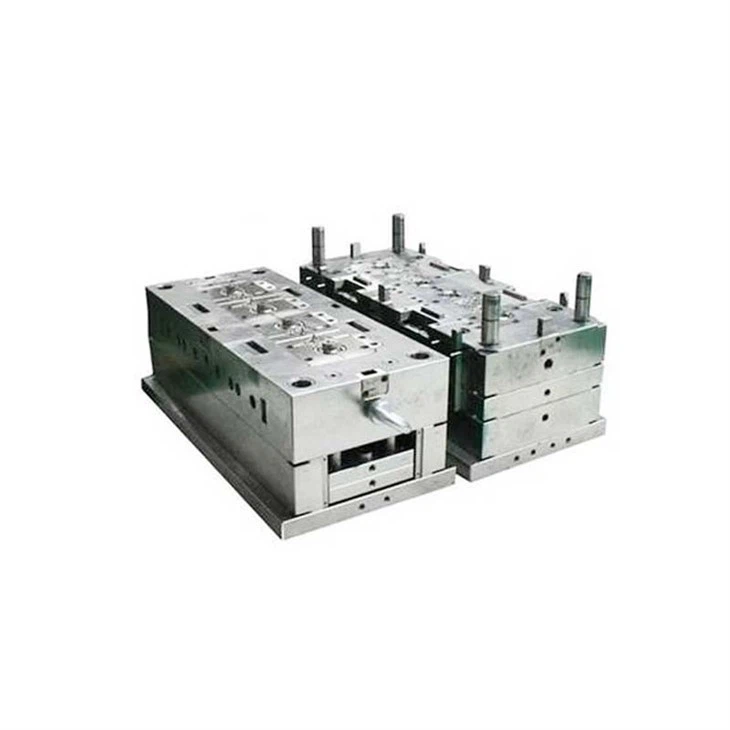
All maintenance activities should follow a maintenance plan and each step should be properly logged. An injection mold maintenance checklist is the perfect place for this logging. Any faults or anomalies must also be listed as these can be used to narrow in on the root causes of any future failures.
Certifications





Our Factory
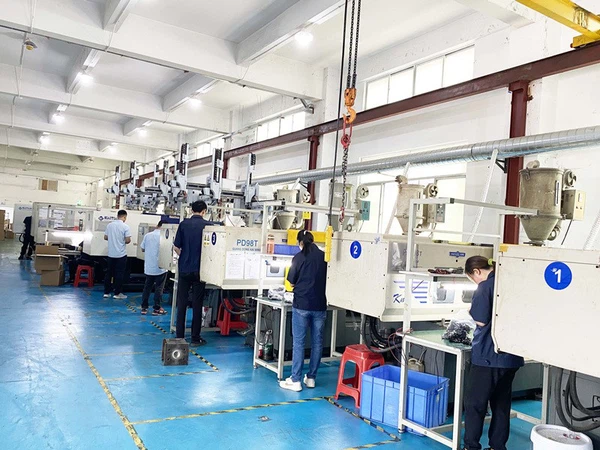
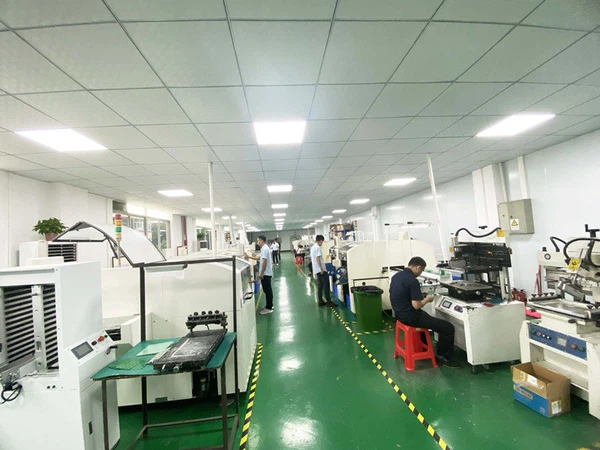
Our company has a professional team of engineers and sales, with over 15 years of technical expertise and rich manufacturing, design, research and development experience and technical capabilities in the engineering plastic industry, supporting personalized customization. We have a complete set of efficient production equipment and advanced CNC machine tools.


Frequently Asked Questions Mold Tooling
Q: What is the process of mold tooling?
Q: What is the difference between tooling and mold?
Q: What is mold tooling?
Q: What are the different types of mold tooling?
- Injection molds
These molds are used to create plastic parts by injecting molten plastic into the mold cavity under high pressure.
- Compression molds
These molds are used to create parts by pressing materials into the mold under high pressure.
- Blow molds
These molds are used to create hollow plastic parts by injecting air into a heated plastic parison, which expands and fills the mold cavity.
- Die casting molds
These molds are used to create metal parts by injecting molten metal into the mold cavity under high pressure.
Q: What are the advantages of using mold tooling?
- High production rates
Molds can produce thousands of parts per hour, making them ideal for high-volume production.
- Consistent quality
Molds produce parts with consistent dimensions and tolerances, which can improve the quality of the finished product.
- Cost-effectiveness
Molds can be designed for a wide range of applications, from small consumer products to large industrial components, making them a cost-effective solution for many manufacturing needs.
Q: How long does it take to create a mold tool?
Q: What are some common applications of mold tooling?
- Automotive parts such as bumpers, grilles, and interior components.
- Aerospace parts such as engine components, landing gear, and interior panels.
- Medical devices such as syringes, catheters, and diagnostic equipment.
- Consumer products such as mobile phones, appliances, and toys.
- Building and construction materials such as concrete forms, roofing tiles, and countertops.
Q: What are the materials used for mold tooling?
Q: How are molds created?
Q: What are the advantages of mold tooling?
Q: What industries rely on mold tooling?
Q: What is the typical lifespan of a mold?
Q: How can I ensure the durability of a mold?
Q: How long does it take to create a mold?
Q: What is the cost involved in mold tooling?
Q: Can existing molds be modified?
Q: Are there any limitations to mold tooling?
Q: Can molds be reused for different products?
Q: What is the role of mold flow analysis in mold tooling?
Q: Why should I choose professional mold tooling services?
We're professional mold tooling manufacturers and suppliers in China, specialized in providing high quality customized service. We warmly welcome you to wholesale cheap mold tooling made in China here from our factory. Contact us for quotation.
Molded Precision Components, Plastic injection molding, Top Plastic Injection Molding Companies