


Die for Plastic Moulding
What is a Die For Plastic Moulding?
A die for plastic moulding is a tool used to shape plastic parts by injecting molten plastic into a mould cavity. The die consists of two halves, called the cavity and core, which are joined together to form the shape of the part. The plastic is injected into the cavity through a gate, and then cooled and solidified to form the final part.
Why Choose Us?
Professional Team: Our company has a professional team of engineers and sales, with over 15 years of technical expertise and rich manufacturing, design, research and development experience and technical capabilities in the engineering plastic industry.
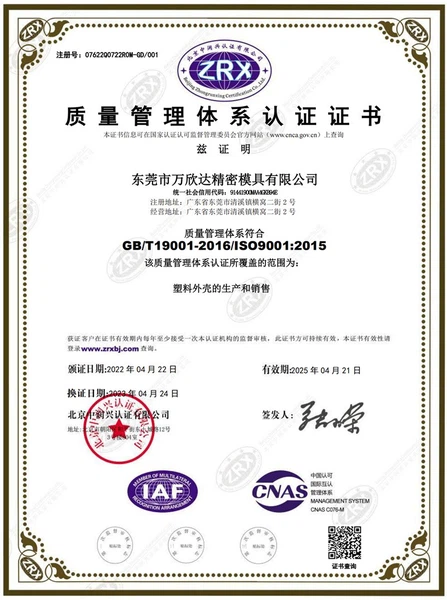
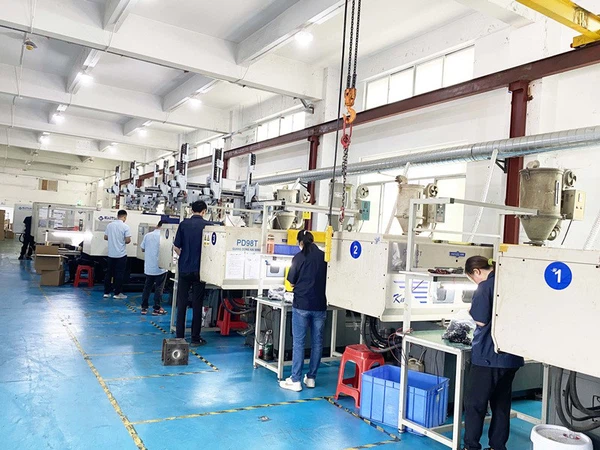
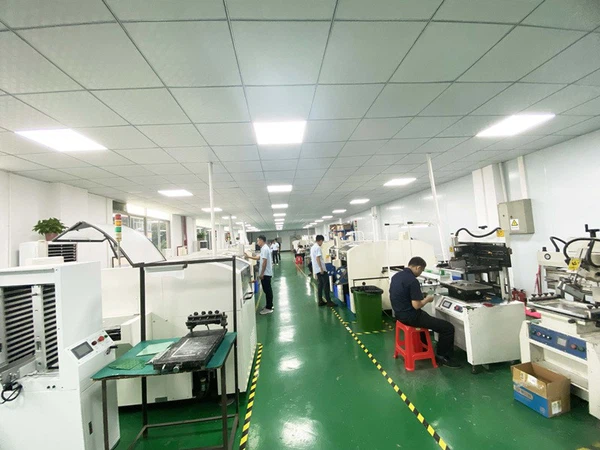
Advanced Equipment: We have a complete set of efficient production equipment and advanced CNC machine tools, Obtained ISO quality management system in April 2022. We have developed and accumulated rich experience in research and production in the electronic product industry.
Customized services: We listen to our clients objectives and aspirations and therefore provide customize solutions.
Quality Control: We have professional personnel to monitor the production process, inspect the products and ensure that the final product meets the required quality level standards, guidelines and specifications.


Precise and Consistent Results
Die for plastic moulding ensures precise and consistent results every time. The moulding process allows for tight tolerances and accurate replication of intricate designs.
Cost-Effective
Die moulds for plastic moulding are cost-effective in the long run. Once the initial investment is made for the die, the cost per unit decreases significantly with increased production.
High Efficiency
Die moulds for plastic moulding are known for their high efficiency. The moulding process allows for fast production rates, reducing the overall manufacturing time.
Versatility
Die moulds for plastic moulding offer versatility in terms of design and material options. They can be customized to produce a wide range of shapes, sizes, and textures.
Design Freedom
Die moulds for plastic moulding offer design freedom. Complex shapes and intricate details can be easily achieved, giving designers more flexibility in their designs.
Reduced Waste
Die moulds for plastic moulding generate minimal waste compared to other manufacturing methods. The moulding process ensures that the material is used efficiently, reducing scrap and minimizing environmental impact.
Enhanced Product Strength
Die moulding for plastic products results in enhanced product strength. The moulding process allows for uniform distribution of material, resulting in products with improved structural integrity.
Consistent Wall Thickness
Die moulding for plastic products ensures consistent wall thickness. This is important for products that require strength, durability, and proper functionality.
Repeatable Process
Die moulding for plastic products is a repeatable process. Once the die is created, the same design can be replicated consistently, ensuring product consistency and quality.
Reduced Assembly
Die moulding for plastic products can reduce the need for assembly. Complex designs can be integrated into a single mould, eliminating the need for multiple components and assembly processes.
Types of Die For Plastic Moulding
This is the most widely used type of die in plastic moulding. It consists of two plates, an injection plate, and a ejector plate. The plastic material is melted and injected into the mould cavity through the injection plate, which is then cooled and solidified to form the desired shape.
This type of die is used to create hollow plastic products such as bottles and containers. It involves a two-part mould, where the plastic material is first melted and injected into the mould cavity. Then, air pressure is applied to expand the molten plastic and shape it against the walls of the mould.
In this type of die, the plastic material is placed directly into the mould cavity, and then a heated plate compresses and shapes the material. Compression moulding is commonly used for producing larger, solid plastic objects with intricate designs.
Extrusion is a process used to create plastic products with a constant cross-sectional shape, such as pipes, tubes, and profiles. The plastic material is melted and forced through an extrusion die, which determines the shape and size of the final product.
Overmoulding involves combining two or more different plastic materials to create a single product with distinct properties. This type of die is designed to accommodate multiple injection points and mould cavities for the different materials, allowing them to bond together.
Thermoforming is a versatile process used to create thin-walled plastic products such as trays, containers, and disposable cups. A heated sheet of plastic is placed over a mould, and vacuum and pressure are applied to shape the material against the mould surface.
Application of Die For Plastic Moulding
Injection Moulding
Injection moulding is a widely used technique in plastic manufacturing. The die used in injection moulding is known as an injection mould. This type of die consists of two halves, the core and the cavity, which are used to create the shape of the final product. Injection moulding dies are commonly used to produce complex and intricate plastic components, such as automobile parts, electronic enclosures, and household items.
Blow Moulding
Blow moulding is another common method for producing hollow plastic products, such as bottles and containers. In this process, a die called a blow mould is used. The blow mould consists of a cavity, where the molten plastic is inflated and shaped to form the desired product. The application of blow moulding dies is essential for creating consistent and uniform plastic containers in various industries, including food and beverage packaging.
Compression Moulding
Compression moulding is a technique used for manufacturing thermosetting plastics, which cannot be melted and poured like thermoplastics. In compression moulding, a die known as a compression mould is used. The compression mould consists of two plates that compress the plastic material under high pressure and heat, forcing it to take the shape of the die. Compression moulding dies find applications in the production of items such as electrical connectors, automotive parts, and appliance components.
Extrusion Moulding
Extrusion moulding involves squeezing molten plastic through a die to form a continuous profile or shape. The die used in extrusion moulding is referred to as an extrusion die. It consists of a small opening or multiple openings, through which the molten plastic is forced to create the desired cross-sectional shape. Extrusion moulding dies are utilized in various industries to manufacture products like pipes, tubes, rods, and sheet materials.
Thermoforming
Thermoforming is a process used for creating plastic products by heating a plastic sheet and then forming it over a mould using vacuum or pressure. The die used in this process is called a thermoforming mould or die. Thermoforming dies are employed to produce a wide range of products, including packaging trays, disposable cups, automotive interior panels, and medical device components.
Material of Die For Plastic Moulding


Steel
Steel is the most widely used material for dies in plastic moulding due to its superior strength and durability. It allows for the production of high volumes of plastic parts without wear and tear. Steel dies also offer excellent heat and corrosion resistance, making them suitable for a wide range of plastic materials. Furthermore, steel dies can be easily machined and have a long lifespan, reducing production costs in the long run.
Aluminum
Aluminum is often used for prototypes or low-volume production runs in plastic moulding. It is relatively lightweight, which allows for easier handling and faster cooling times. Although aluminum dies may not be as durable as steel dies, they offer good thermal conductivity, which is essential for achieving consistent and uniform plastic parts. Aluminum dies are also cost-effective, making them ideal for shorter production cycles.
Brass
Brass is a material commonly used for dies in plastic moulding, especially for intricate and complex designs. Brass dies offer excellent thermal conductivity and corrosion resistance. They can withstand high temperatures and provide accurate and precise plastic part production. Brass dies are frequently used for injection moulding, where tight tolerances are required.
Copper
Copper is known for its excellent heat conductivity, making it a preferred material for dies in plastic moulding processes that involve high-temperature plastic materials. Copper dies ensure proper cooling and efficient heat transfer, resulting in consistent and defect-free plastic parts. Copper dies are also easy to manufacture, offering cost-effective solutions for certain plastic moulding applications.
PVD-Coated Dies
PVD (Physical Vapor Deposition) coatings are often applied to steel or other die materials to enhance their performance in plastic moulding. These coatings provide increased hardness, resistance to wear, and reduced friction. PVD-coated dies offer extended die life and improved plastic part quality, reducing downtime and maintenance costs.
Components of Die For Plastic Moulding
Cavities
The die for plastic moulding consists of one or more indents or recesses called cavities. These cavities are the primary areas where the plastic material is injected and takes the shape of the desired product.
Runners
The runners are passages or channels that connect the injection point to the cavities. They allow the plastic material to flow from the injection molding machine to the cavities. Runners ensure even distribution of the melted plastic, helping to produce consistent and uniform parts.
Gates
The gates are openings located at the end of the runners and are responsible for controlling the flow of the plastic material into the cavities. They act as valves, allowing the molten plastic to enter the cavities while preventing it from flowing back out.
Cooling System
The cooling system in a die for plastic moulding is crucial to ensure proper solidification of the plastic material within the cavities. It consists of cooling channels or passages that circulate cooling fluids, such as water or oil, to remove heat from the molten plastic and accelerate the solidification process.
Ejector System
The ejector system helps in the removal of finished plastic parts from the cavities once the moulding process is complete. It typically includes ejector pins or plates that push the parts out of the cavities and ensure their smooth release.
Venting
Venting is essential to allow the escape of air and other gases during the moulding process. Venting channels or vents are incorporated into the die to prevent air pockets or trapped gases, which can cause defects in the final product.
Support Structures
The dies for plastic moulding may also include support structures, such as pillars or plates, to ensure proper alignment and stability of the die components. These structures help withstand the pressure and forces exerted during the injection and cooling processes.
Mold Base
The mold base provides the foundation for the die and holds all the components together. It is usually made of steel or other durable materials to provide stability during the moulding process.
Process of Die For Plastic Moulding
Designing the die
The first step in the process is to design the die for plastic molding. This involves considering the shape, size, and intricacies of the final product and designing a mold accordingly.
Material selection
Once the die design is finalized, the next step is to select the appropriate material for the die. Factors such as durability, heat resistance, and compatibility with the plastic material being molded are taken into account.
Die manufacturing
The die is then manufactured using advanced machining techniques. This includes CNC machining, EDM (electrical discharge machining), and other precision machining processes to create the desired shape and features.
Mold assembly
After the die is manufactured, it is assembled with other components such as ejector pins, cooling channels, and guide pins to form a complete mold assembly. These components aid in the molding process and ensure proper cooling and ejection of the molded parts.
Molding process setup
Once the mold assembly is ready, it is installed on a plastic injection molding machine. The machine is set up according to the specifications of the die and the plastic material being used. This includes adjusting temperature, pressure, and injection speed parameters.
Injection molding
The plastic material is fed into the machine's hopper, where it is melted and injected into the die cavity under high pressure. The molten plastic fills the cavity, taking the shape of the die, and forms the desired product.
Cooling and solidification
After the molten plastic fills the die cavity, it is left to cool and solidify. The cooling process is crucial as it determines the final quality and dimensional accuracy of the molded part. Cooling channels in the die help in accelerating the cooling process.
Ejection of the part
Once the plastic has cooled and solidified, the mold is opened, and the molded part is ejected using ejector pins. The part is then removed from the machine for further processing or finishing.
Inspection and quality control
The molded part is thoroughly inspected for any defects or imperfections. This may include dimensional checks, visual inspections, and performance tests to ensure that the part meets the desired quality standards.
Finishing and post-processing
Depending on the requirements, the molded part may undergo additional finishing processes such as trimming, painting, or surface treatment. These processes help improve the appearance and functionality of the final product.
Reusing the die
Once the molded part is ejected, the die can be reused for producing more identical parts. The die undergoes a cleaning process to remove any residual plastic material before being set up for the next molding cycle.
Maintenance and upkeep
Regular maintenance and cleaning of the die are essential to ensure its longevity and continued performance. Any worn-out components are replaced, and necessary adjustments are made to maintain the die's accuracy and efficiency.
Daily Inspection Checklist for Die For Plastic Moulding
Inspect the die for any signs of wear or damage, such as cracks or dents.
Check if all the components of the die are properly aligned and secured in place.
Examine the die for any build-up of plastic residue or debris that could affect its performance.
Verify that the die is properly lubricated to ensure smooth operation.
Check the heating elements and cooling channels to ensure they are functioning correctly.
Inspect the ejector pins and slides to ensure they are not damaged or bent.
Look for any signs of misalignment or uneven wear on the die cavities and cores.
Check the die for any signs of corrosion or rust and take appropriate measures to prevent further damage.
Ensure that the die surfaces are clean and free from any obstructions before each use.
Verify that the die is correctly installed in the molding machine and properly adjusted.
Check the overall working condition of the die and report any issues or abnormalities to the appropriate personnel.
Certifications




Our Factory
Our company has a professional team of engineers and sales, with over 15 years of technical expertise and rich manufacturing, design, research and development experience and technical capabilities in the engineering plastic industry, supporting personalized customization. We have a complete set of efficient production equipment and advanced CNC machine tools.


Frequently Asked Questions Die For Plastic Moulding
Q: What is die in plastic moulding?
Q: What are the basics of plastic molding?
Q: What are the different types of plastic moulding?
Q: What is plastic moulding called?
Q: What is the die molding process?
Q: What is the most common method of moulding plastics?
Q: What is the difference between rubber molding and plastic molding?
Q: How is plastic molding made?
Q: What is a die in plastic molding?
Q: How does a die work in plastic molding?
Q: What are the different types of dies used in plastic molding?
Q: What are the advantages of using a die in plastic molding?
Q: How long does it take to create a die for plastic molding?
Q: What materials are used to make dies for plastic molding?
Q: How often do dies need to be replaced in plastic molding?
Q: Can dies be repaired in plastic molding?
Q: What are some common problems that can occur with dies in plastic molding?
Q: How can I prevent problems with dies in plastic molding?
Q: Can I use a die from another manufacturer in my plastic molding machine?
Q: How can I prolong the lifespan of my die in plastic molding?
We're professional die for plastic moulding manufacturers and suppliers in China, specialized in providing high quality customized service. We warmly welcome you to wholesale cheap die for plastic moulding made in China here from our factory. Contact us for quotation.
Sj 3523 Smt, Smt Splice Tape, Pom Injection Molding