


Injection Molding
What is a Injection Molding?
Injection molding is a manufacturing process in which molten material, typically plastic, is injected into a mold to create a part or product. The process involves heating the material to a molten state, then injecting it into a mold cavity under high pressure. The material then cools and solidifies within the mold to create the desired shape. Once the material has solidified, the mold opens and the finished part is ejected. Injection molding is used to produce a wide variety of products, from small consumer goods to large industrial components.
Why Choose Us?
Professional Team: Our company has a professional team of engineers and sales, with over 15 years of technical expertise and rich manufacturing, design, research and development experience and technical capabilities in the engineering plastic industry.
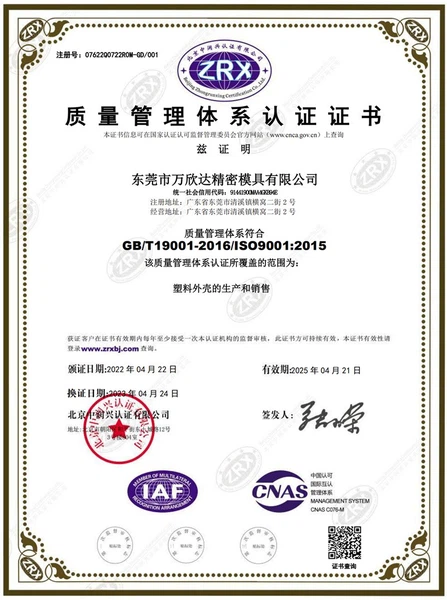
Advanced Equipment: We have a complete set of efficient production equipment and advanced CNC machine tools, Obtained ISO quality management system in April 2022. We have developed and accumulated rich experience in research and production in the electronic product industry.
Customized services: We listen to our clients objectives and aspirations and therefore provide customize solutions.
Quality Control: We have professional personnel to monitor the production process, inspect the products and ensure that the final product meets the required quality level standards, guidelines and specifications.


Benefits of Injection Molding
There are several good reasons that plastic injection molding is known as the most common and most efficient form of molding. The process itself is extremely fast compared to other methods, and the high production output rate makes it even more efficient and cost-effective. Speed depends on the complexity and size of the mold but only about 15-120 seconds pass between each cycle time.With the short period between cycles, a greater quantity of molds can be produced in a limited amount of time, thus increasing possible revenue and profit margins.
Injection molding can handle extremely complex parts, and uniformity, as well as the ability to make millions of virtually identical parts. To optimize the effectiveness of high-volume injection molding and maximize the precision and quality of your parts, key design elements should be taken into account. The part design must be developed to maximize the efficiency inherent in high-volume molding. With the right design, parts can be made consistently and with quality.
Strength is one of the key factors that need to be determined when designing a plastic injection molded part. The designer will need to know if the part needs to be flexible or rigid so that he/she can adjust the integrating ribs or gussets. Understanding how the customer will be using the part and what type of environment the part will be exposed to is also important.
Choosing the right material and color for a project are two of the essential factors in creating plastic parts. Due to the wide variety of both, the possibilities are almost endless. The advances in polymers over the years have contributed to the development of a large selection of resins from which to choose. It is important to work with an injection molder that has experience with a variety of resins and applications including resins that are compliant with FDA, RoHS, REACH and NSF. To ensure you select the right resin for your project, keep in mind the following variables: impact strength, tensile strength, a flexural modulus of elasticity, heat deflection and water absorption.
When looking for a high-volume injection molding partner, it’s important to consider companies’ green manufacturing initiatives, as these signify a commitment to quality, sustainability, and optimal safety. During the molding process, excess plastic is generated. You want to look for a company that has a system in place to recycle its excess plastic. The most eco-friendly plastic injection molding companies employ state-of-the-art machinery to assist them in minimizing waste, transportation, and packaging.
Labor costs are typically relatively low in plastic injection molding, in comparison with other types of molding. The ability to produce the parts at a very high level with a high output rate helps with its cost efficiency and effectiveness. The molding equipment typically runs with a self-gating, automatic tool to keep operations streamlined and production ongoing, requiring minimal supervision.
Types of Injection Molding
Plastic Injection Molding: This is the most common type of injection molding technique used in various industries. It involves injecting molten plastic material into a mold cavity, allowing it to cool and solidify before ejecting the finished product.
Rubber Injection Molding: This type of injection molding is specifically designed for producing rubber products. It follows a similar process to plastic injection molding but with the use of rubber material instead. Rubber injection molding is widely used in automotive, healthcare, and industrial applications.
Metal Injection Molding (MIM): MIM is a highly precise and complex injection molding process used for producing small-sized metal parts with intricate designs. It combines the principles of plastic injection molding and powdered metallurgy to achieve cost-effective production of metal components.
Liquid Silicone Injection Molding (LSR): LSR injection molding utilizes liquid silicone rubber to create flexible and high-precision products, such as medical devices, seals, and gaskets. This technique offers excellent temperature resistance, chemical inertness, and biocompatibility.
Overmolding: Overmolding involves injecting multiple materials, typically a combination of hard and soft plastics, into a single mold to create a finished product with enhanced functionality and aesthetics. This technique is commonly utilized in the production of electronic components, handles, and grips.
Gas-Assisted Injection Molding (GAIM): GAIM is a specialized injection molding process that involves the injection of pressurized gas into the molten plastic material to create hollow or partially hollow parts. This technique enhances product strength and allows for the production of complex shapes with reduced material usage.
Co-injection Molding: Also known as sandwich molding or multi-shot injection molding, co-injection molding involves injecting two or more materials simultaneously into a single mold cavity. This technique is often used to create products with a combination of different colors, materials, or properties.
Micro-Injection Molding: Micro-injection molding is used to produce extremely small and intricate parts with high precision. It utilizes specialized machinery and tooling to mold parts on a microscopic scale. This technique finds application in industries like electronics, medical devices, and telecommunications.
Thermoset Injection Molding: Thermoset injection molding is used for producing parts made from thermosetting materials that cannot be reshaped or remolded once cured. It involves heating the thermosetting material to induce a chemical reaction, resulting in a hardened and durable product.
Reaction Injection Molding (RIM): RIM involves the mixing of two or more liquid components, typically polyurethane, in a mold cavity to produce a solid and lightweight product. RIM is commonly used in manufacturing automotive parts, furniture, and industrial equipment.
Application of Injection Molding


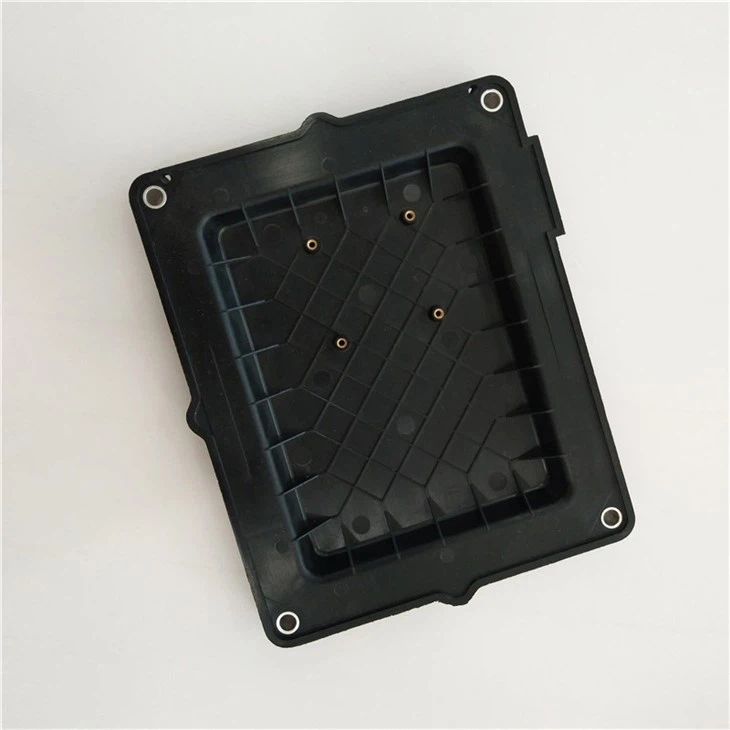

Sutomotive industry: The automotive industry heavily relies on injection molding for various components such as dashboards, bumpers, and interior trims. The process allows for the production of complex shapes with high accuracy and repeatability. It also enables the production of lightweight components, reducing the overall vehicle weight and improving fuel efficiency.
Electronics industry: Injection molding is widely used in the electronics industry for the production of components such as connectors, switches, and housings. The process ensures precise dimensions and excellent surface finishes, making it suitable for electronic devices with tight tolerances. The high production rates of injection molding also make it cost-effective for mass production of electronic components.
Packaging industry: Packaging industry extensively utilizes injection molding for manufacturing plastic containers, lids, and caps. The process allows for the production of thin-walled containers with intricate designs. Injection molding provides the versatility to produce different sizes and shapes, catering to the diverse packaging needs of various industries such as food and beverage, cosmetics, and healthcare.
Medical equipment: Medical equipment and devices often rely on injection molding for the production of parts such as syringes, IV connectors, and surgical instruments. The process ensures the production of sterile and precise components, essential for maintaining a high standard of patient care. Injection molding also allows for the integration of multiple functions in a single part, reducing the number of components needed in medical devices.
Consumer Goods Industry: Consumer goods industry extensively uses injection molding for producing items such as toys, kitchenware, and household appliances. The process allows for high productivity and efficiency, enabling manufacturers to meet the demands of mass-produced consumer products. Injection molding also offers the flexibility to produce various colors and textures, enhancing the aesthetic appeal of consumer goods.
Aerospace industry: Aerospace industry relies on injection molding for manufacturing components such as interior panels, brackets, and ventilation ducts. The process ensures the production of lightweight and durable parts, contributing to fuel efficiency and overall aircraft performance. Injection molding allows for the production of complex geometries with high precision, meeting the stringent requirements of the aerospace industry.
Furniture industry: Furniture industry utilizes injection molding for producing components such as chair seats, armrests, and decorative trims. The process offers cost-effective production of large quantities of furniture components. Injection molding provides design flexibility, allowing for the incorporation of ergonomic features and complex designs, enhancing the comfort and visual appeal of furniture pieces.
Sports Equipment: Sports equipment manufacturers rely on injection molding for producing various components such as helmet shells, protective gear, and handles. The process enables the production of lightweight and impact-resistant parts, ensuring the safety and performance of sports equipment. Injection molding also allows for the customization of products, accommodating different user preferences and requirements.
Material of Injection Molding
Thermoplastics: Thermoplastics are the most commonly used materials in injection molding due to their excellent molding characteristics and versatility. Some commonly used thermoplastics include polyethylene (PE), polypropylene (PP), polyvinyl chloride (PVC), polystyrene (PS), and polycarbonate (PC). These materials can be melted and re-melted multiple times without degrading their properties, making them suitable for recycling and reuse.
Thermosetting Plastics: Thermosetting plastics, unlike thermoplastics, undergo a chemical reaction during the molding process that permanently sets their shape. Due to this irreversible process, these materials cannot be melted and re-molded. Examples of thermosetting plastics used in injection molding include epoxy, phenolic, and melamine. These materials offer excellent dimensional stability, heat resistance, and electrical insulation properties.
Elastomers: Elastomers, also known as rubber-like materials, are characterized by their ability to stretch and return to their original shape. They possess excellent flexibility, elasticity, and durability. Common elastomers used in injection molding are styrene-butadiene rubber (SBR), nitrile rubber (NBR), silicone rubber (VMQ), and polyurethane (PU). These materials find applications in various industries, including automotive, healthcare, and consumer goods.
Metals: Injection molding can also be used for metal components, although it requires specialized equipment and techniques. Metals commonly used in injection molding include aluminum, zinc, and magnesium alloys. Metal injection molding offers benefits such as high strength, complex shapes, and cost-effectiveness in producing small to medium-sized metal parts.
Composites: Composites are materials composed of two or more different substances, combining their individual properties. Fiber-reinforced composites, such as glass-filled or carbon-filled polymers, are commonly used in injection molding. These materials provide enhanced strength, stiffness, and dimensional stability compared to pure polymers, making them suitable for applications requiring high mechanical performance.
Bioplastics: With increasing concerns about sustainability and environmental impact, bioplastics have gained popularity in injection molding. Bioplastics are derived from renewable resources, such as starch, vegetable oils, or polylactic acid (PLA). They offer similar molding characteristics as traditional plastics while reducing dependence on fossil fuels and lowering carbon footprint.
Components of Injection Molding
Hopper
The hopper is the component where the plastic material is poured before the injection molding process can begin. The hopper usually contains a dryer unit to keep moisture away from the plastic material. It may also have small magnets to prevent any harmful metallic particles from entering the machine. Next, the plastic material is poured into the following major component from the hopper, called the barrel.
Barrel
The barrel, or the material tube and barrel, heats the plastic material into a molten state to let plastic flow through the barrel. The screw inside injects the plastic into molds or cavities in the clamping unit. Therefore, the temperature in the barrel needs to be adequately regulated to maintain the appropriate temperature for different types of plastic material. The function of the cylinder is to transport, compact, melt, agitate and press the plastic before it reaches the injection mold.
Screw Motion or Reciprocating Screw
The screw moves plastic through the barrel. First, as the pellets are fed from the hopper into the barrel, the screw is rotated, driving the material forward while more pellets are added. Second, the flights provide a continuous mixing action that distributes heat evenly throughout the mass. This mixing also helps to purge the mechanism of different materials and any colors left behind from an earlier production runs on the same injection molding machine.
Heaters
An injection molding machine can have different types of heaters for maintaining temperatures in conduits and nozzles and heating molds and platens. A heating element can be attached to the barrel and used to melt the hopper's molding material to become liquified material. Some of the different types of injection molding heaters include band heaters, coil/nozzle heaters, cartridge & strip heaters, and insulated cloth heating jackets.
Nozzle
The nozzle is an injection molding component located at the bottom of the machine’s ejector system. It pushes liquified plastic out of the barrel and into the mold. The nozzle rests against a surface on the mold called the sprue bushing and locating ring, which helps center the nozzle on the mold. Today, nozzles can provide a variety of functions, including filtering, mixing, and shut-off of melt flow.
Extraction Pins or Ejector Pins
Ejector pins are vital in creating parts. They are an essential component of the ejection system in molds, which determines the outcome of products in an injection molding process.The metal injection mold comprises two parts: A and B sides. After the molten material in the mold is cooled, both parts are separated to remove the solid plastic. Injection molds are built so that when they are opened, the A-side half is lifted, leaving the formed part and the B-side.
Split Molds
In injection molding, a parting line is where two halves of a mold meet when closed, especially on a split mold. The plastic product created by the injection mold is divided into two parts, and the line separating the two mold haves are called parting lines. Split molds are one type of injection mold, where the jaws form the mold cavity. The jaws are injected diagonally on the nozzle side and are then moved on the diagonal to the outside when the mold opens with a pull tab. Then the injection molded part is released.
Clamping Unit
The purposes of the clamping unit are to open and close an injection mold and eject the injection-molded products. The two main types of clamping systems are the hydraulic and toggle configurations. The hydraulic clamp system has one or more hydraulic cylinders, while the toggle clamp system has a series of linkages.
Injection Unit
A central component of injection molding machines is the injection unit, which comprises other parts. The injection unit's purpose is to melt the raw material and guide it into the mold. The injection unit consists of the hopper, the barrel, and the screw. The polymer granules are first dried and placed in the hopper, then mixed with the coloring pigment or the other reinforcing additives.
Hydraulic Unit
A hydraulic system or unit is crucial in plastic injection molding machines. The system may be running continuously during production cycles. Nozzle approach, injection of the plunge screw, extruder screw rotation, plus the closing of the mold require a significant number of motion-activated sub-circuits. Granular plastic material requires a highly steady motion to move smoothly through the heated plasticized state as it flows into the mold during the screw rotation and plunge phase. The quality of the injection molded product could be compromised if the hydraulic motions cause any irregularities.
How Does the Process of Injection Molding Work?
Material preparation: The first step in injection molding is to prepare the material that will be used. Most commonly, thermoplastic polymers are used due to their ability to be melted and solidified repeatedly. The polymer is typically in the form of pellets or granules.
Loading the material: The prepared material is loaded into a hopper, which feeds it into the injection molding machine. The machine has a heating barrel where the material is heated until it reaches a molten state.
Injection: Once the material is molten, it is injected into a mold through a nozzle. The mold is a carefully designed cavity that has the shape and dimensions of the desired product.
Mold clamping: After the material is injected into the mold, the mold is clamped shut to prevent any leakage or deformation of the product. The clamping force is carefully controlled to ensure the mold remains closed tightly during the entire process.
Cooling: As the molten material is injected into the mold, it starts to cool down and solidify. Cooling channels within the mold help in the rapid cooling process. The cooling time is a critical factor that needs to be optimized to achieve the desired product quality.
Ejection: Once the material has solidified and cooled sufficiently, the mold is opened, and the product is ejected. Ejector pins or plates are used to forcefully push the product out of the mold.
Post-processing: The ejected product may require further processing, such as trimming or surface finishing, to remove any excess material or improve its appearance. This step may involve using cutting tools or specialized machinery.
Recycling and reusing: Any excess or waste material generated during the injection molding process can be recycled and reused. This helps in minimizing material wastage and promoting sustainability in manufacturing.
Quality control: Throughout the process, various quality control measures are implemented to ensure the final product meets the required specifications. This may include inspecting the mold, checking the dimensions of the product, and conducting tests for strength and durability.
Factors to Consider When Selecting Injection Molding
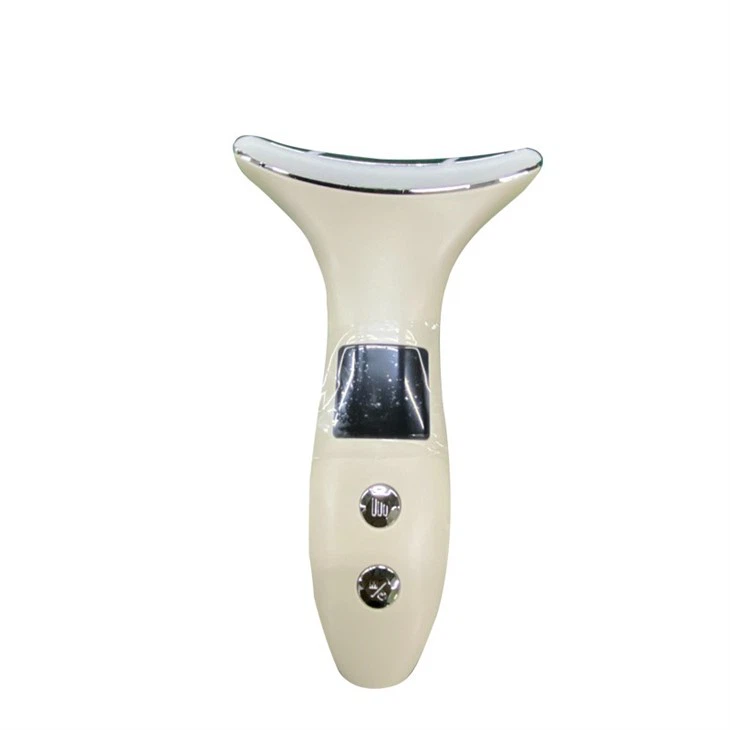
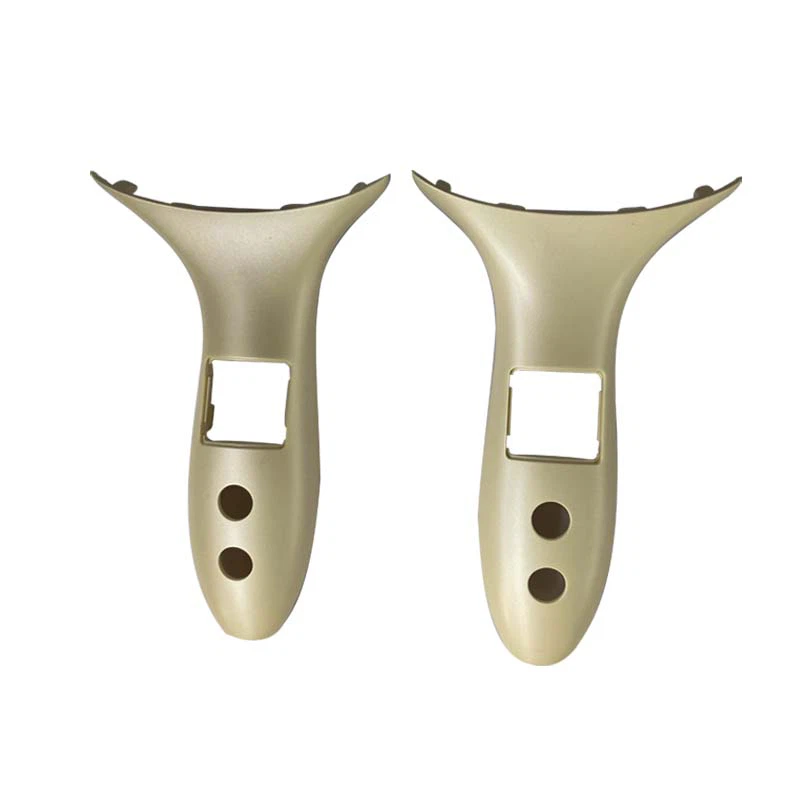


Material compatibility: One of the primary factors to consider when selecting an injection molding method is the compatibility of the material with the chosen process. Different materials require specific processing conditions, temperatures, and pressures for successful molding. It is essential to ensure that the material being used is suitable for the selected injection molding equipment.
Part design: The complexity and intricacy of the part design play a crucial role in determining the type of injection molding process to be used. Factors such as the part's size, shape, thickness, and the presence of intricate details or undercuts need to be considered. Certain molding techniques, like multi-shot or insert molding, may be required for complex designs.
Production volume: The anticipated production volume is another significant factor in selecting the appropriate injection molding method. High-volume production may require different considerations compared to low-volume production. For large quantities, high-speed or automated injection molding processes are often more efficient, while low-volume productions may benefit from more manual or specialized methods.
Cost considerations: Cost is always a crucial factor in any manufacturing process. When selecting an injection molding method, it is essential to consider both upfront and ongoing costs. This includes costs related to equipment, tooling, material waste, energy consumption, labor, maintenance, and even the cost of failures or rejects. Balancing upfront costs with long-term profitability is essential.
Surface finish requirements: The desired surface finish of the molded part is an important consideration. Some injection molding methods may result in a smoother surface finish, while others may need additional post-processing steps to achieve the desired outcome. Factors such as the part's end use, aesthetics, and functionality will influence the selection of the appropriate injection molding technique.
Tolerances and accuracy: The level of precision and accuracy required for the final molded part must be considered when selecting the injection molding method. Different molding processes have varying levels of dimensional tolerances and repeatability. It is crucial to ensure that the chosen method can achieve the required specifications for the intended application.
Time constraints and lead times: The required lead time for production is another factor to consider. Some injection molding methods may have longer setup times or slower cycle times compared to others. It is important to evaluate the overall production timeline and ensure that the selected method can meet the project's time constraints.
Tooling complexity and cost: The complexity and cost of tooling can significantly impact the selection of an injection molding method. Different processes may require different types of molds, cores, or inserts. Complex part designs or materials may require costly tooling modifications or additional maintenance. It is important to assess the complexity and cost-effectiveness of the tooling required for the desired injection molding process.
Certifications



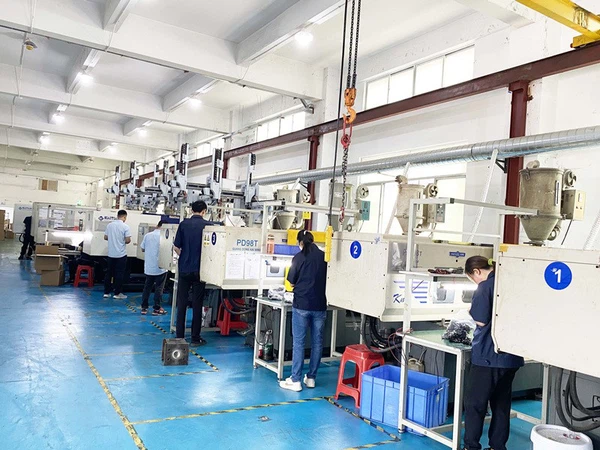
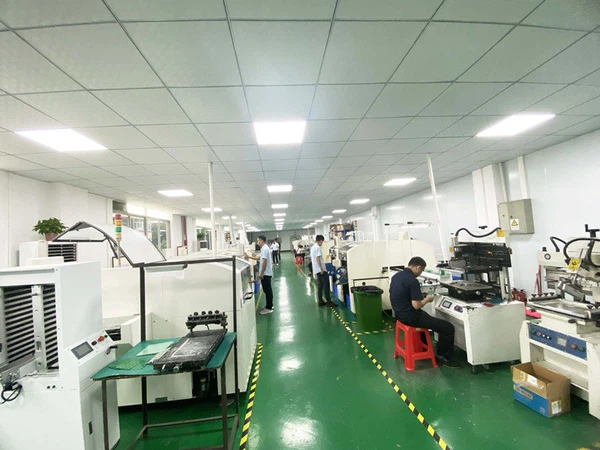
Our Factory
Our company has a professional team of engineers and sales, with over 15 years of technical expertise and rich manufacturing, design, research and development experience and technical capabilities in the engineering plastic industry, supporting personalized customization. We have a complete set of efficient production equipment and advanced CNC machine tools.


Frequently Asked Questions Injection Molding
Q: What is the basic knowledge of injection molding?
Q: What are the major factors affecting an injection Moulding process?
1) Barrel Temperatures.
2) Plastic Flow Rates.
3) Plastic Pressure or "Screw Back" Pressure.
4) Nozzle Temperatures.
5) Plastic Cooling Rates and Times.
6) Plastic Melt Temperatures.
Q: What are the 5 steps of injection moulding?
Clamping. The first step of the injection molding process is clamping. ...
Injection. When the two plates of the mold are clamped together, injection can begin. ...
Dwelling. In the dwelling phase, the melted plastic fills the entirety of the mold. ...
Cooling. ...
Mold Opening. ...
Ejection.
Q: What are the safety rules for injection molding?
Q: What is the most common material used in injection molding?
Q: Is injection molding complicated?
Q: What is the formula for injection molding?
Q: How long does it take to injection moulding?
The whole injection moulding process usual lasts from 2 seconds to 2 minutes. There are four stages in the cycle. These stages are the clamping, injection, cooling and ejection stages.
Q: What is clamping in injection molding?
Q: What is the rule of thumb for injection molding?
Q: What is the strongest plastic for molding?
Polycarbonate (PC)
One of the strongest thermoplastic materials, polycarbonate is one of the most shatter-resistant plastic materials available for use in injection molding.
Q: How do you prevent cold slugs in injection molding?
Q: What is the difference between cavity and core in injection molding?
The core is also where (in most configurations) the ejector system is located. In the above visual, the inside of the cup is the non-cosmetic side, and so the core forms the inside of the cup. The cavity is the side of the tool mold that forms the exterior or cosmetic side of the part.
Q: How long does injection moulding last?
Q: Does injection molding require draft angles?
Q: How thick is injection molding?
Q: What is the minimum wall thickness for injection molding?
Q: How much draft is required for injection molding?
Draft angle and feature depth in injection molding
1 to 2 degrees works very well in most situations. 3 degrees is minimum for a shutoff (metal sliding on metal). 1~3 degrees is required for light texture. 3~5 or more degrees is required for heavy texture.
Q: How do I choose injection molding material?
Q: What is the name of the plastic that can only be molded once?
Thermosetting plastic - These types of plastics cannot be softened again by heating once they are molded.
We're professional injection molding manufacturers and suppliers in China, specialized in providing high quality customized service. We warmly welcome you to wholesale cheap injection molding made in China here from our factory. Contact us for quotation.
Smd Board, Automotive Plastic Injection Molding Companies, Smt Pcba