


Abs Plastic Injection Molding
What is a ABS Plastic Injection Molding?
ABS (Acrylonitrile Butadiene Styrene) injection molding is one of the most popular methods for manufacturing ABS plastic products. ABS is a thermoplastic polymer that is durable and easy to work with. Injection molding is a process that involves injecting molten ABS into a mold cavity.
Why Choose Us?
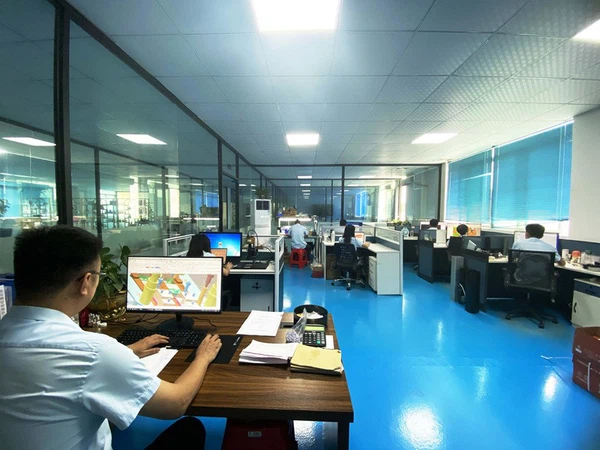
Professional Team: Our company has a professional team of engineers and sales, with over 15 years of technical expertise and rich manufacturing, design, research and development experience and technical capabilities in the engineering plastic industry.
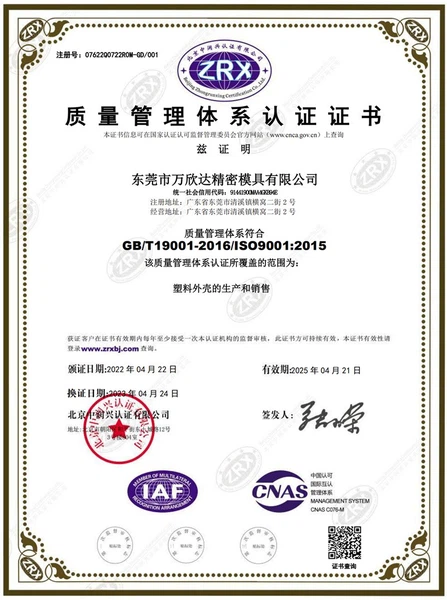
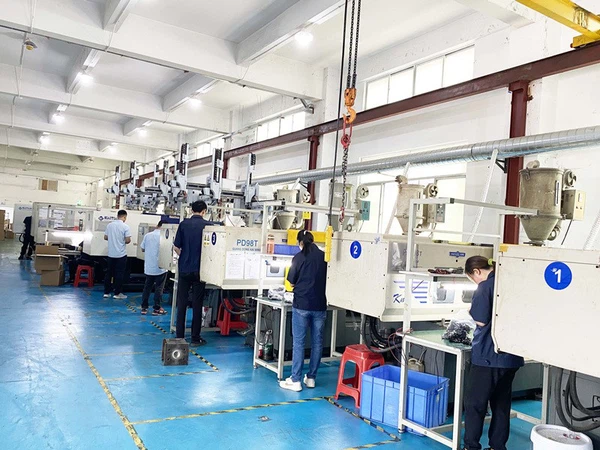
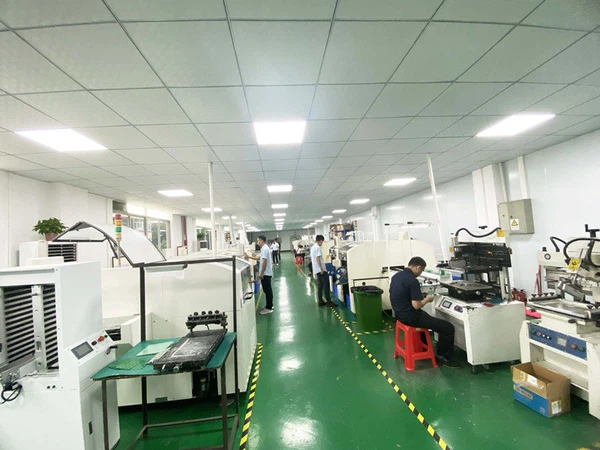
Advanced Equipment: We have a complete set of efficient production equipment and advanced CNC machine tools, Obtained ISO quality management system in April 2022. We have developed and accumulated rich experience in research and production in the electronic product industry.
Customized services: We listen to our clients objectives and aspirations and therefore provide customize solutions.
Quality Control: We have professional personnel to monitor the production process, inspect the products and ensure that the final product meets the required quality level standards, guidelines and specifications.


Accurate Reproducibility
Due to the processability of ABS, it is the most suitable material to use in making complex parts. Its processability makes it easy to reproduce complex and functional parts using the plastic. Apart from the parts being accurately produced, they still maintain functional integrity even when used in extreme conditions, thanks to the hardness of the plastic.
High Tensile Strength
ABS molded parts are suitable for use in applications that require supporting heavy loads because of their high tensile strength. Their ability to withstand heavy mechanical impacts makes this plastic a good budget option for high tension applications.
Recyclability
The recyclability of ABS makes it a perfect material for use in reusable applications. Recycling plants can easily shred the plastic parts and mix them up with fresh ABS to use for new parts production.
Versatility
ABS (Acrylonitrile Butadiene Styrene) is a versatile thermoplastic that can be easily molded into complex shapes. It allows for the production of intricate details and precise geometries, making it suitable for a wide range of applications.
Chemical Resistance
ABS injection molding exhibits good resistance to chemicals, oils, and greases. This property makes it well-suited for applications where exposure to harsh substances is expected, such as automotive components and electronic devices.
Electrical Insulation
ABS has excellent electrical insulation properties, making it an ideal choice for electrical and electronic applications. It helps prevent electrical current leakage and provides a safe environment for sensitive electronic components.
Heat Resistance
ABS can withstand moderate temperatures without deformation or loss of its mechanical properties. This thermal stability allows ABS-molded parts to function reliably in various environments.
Easy Processing
ABS is easy to process through ABS injection molding. It has a low melt viscosity, which means it flows easily during the injection process, filling the mold cavities efficiently. This results in shorter cycle times and increased production efficiency.
Surface Finish
ABS injection molding can produce parts with a smooth and aesthetically pleasing surface finish. It eliminates the need for additional finishing processes, reducing post-production time and costs.
Color Options
ABS can be easily pigmented, offering a wide range of color options for molded parts. This allows for customization and branding opportunities, making ABS injection molding suitable for consumer products and automotive applications.
Types of ABS Plastic Injection Molding
This is the most common type of ABS used in injection molding. It provides a good balance of strength, toughness, and processability. Standard ABS is suitable for a wide range of applications, including automotive parts, consumer goods, electronics, and toys.
This type of ABS has additives infused in the material to make it flame retardant. It meets stringent fire safety regulations and is often used in applications where fire resistance is critical, such as electrical enclosures, automotive interiors, and appliance parts.
Some ABS grades are formulated to withstand high temperatures without deforming or losing their mechanical properties. These high-temperature ABS resins are used in applications that require resistance to heat and hot environments, such as automotive engine components and electrical connectors.
This type of ABS is modified with additional additives to enhance its impact resistance and toughness. Toughened ABS is commonly used in applications where resistance to repeated impact or shock is necessary, such as instrument panels, automotive trim, and power tool housings.
Conductive ABS is infused with conductive materials, such as carbon fibers or metallic fillers, to optimize its electrical conductivity. It is often used in electronics and electrical applications where static dissipation, electromagnetic shielding, or component grounding is required.
Clear ABS is formulated to provide optical clarity and transparency. It is used in applications that require a see-through or translucent appearance, such as lenses, automotive light covers, and display parts.
As sustainability becomes more important, recycled ABS is gaining popularity. It is made from post-consumer or post-industrial waste and offers similar properties to virgin ABS. Recycled ABS is used in various applications, including automotive parts, consumer goods, and packaging.
Application of ABS Plastic Injection Molding
Automotive Industry
ABS is extensively used in the automotive industry for manufacturing interior and exterior components. It is commonly used for producing dashboards, door panels, trim parts, grilles, and bumpers. ABS's durability, impact resistance, and ability to withstand harsh weather conditions make it suitable for automotive applications.
Consumer Electronics
ABS is a popular choice for manufacturing consumer electronic products. It is used for producing computer and laptop housings, keyboards, game controllers, remote controls, and mobile phone cases. ABS Molding's electrical insulation properties, toughness, and ease of customization make it suitable for these applications.
Appliances
ABS is used in the production of various home appliances. It is commonly employed for manufacturing refrigerator components, washing machine parts, vacuum cleaner housings, and control panels. ABS Molding's impact resistance, heat resistance, and ability to withstand regular use make it ideal for appliance manufacturing.
Toys and Games
ABS Molding is widely used in the toy and game industry. It is a popular choice for manufacturing building blocks, action figures, puzzles, board game components, and toy vehicles. ABS's strength, durability, and ability to be molded into intricate shapes make it suitable for creating toys and games that can withstand rough play.
Medical Devices
ABS is used in the production of various medical devices and equipment. It is commonly employed for manufacturing components of diagnostic devices, laboratory equipment, housings for medical instruments, and dental models. ABS's biocompatibility, chemical resistance, and ease of sterilization make it suitable for medical applications.
Safety Equipment
ABS is utilized in the production of safety equipment and protective gear. It is commonly used for manufacturing helmets, safety goggles, face shields, and protective cases for tools and equipment. ABS's impact resistance and ability to withstand external forces make it suitable for ensuring the safety of individuals in various industries.
Furniture
ABS is employed in the furniture industry for producing components such as chair shells, table bases, and storage cabinets. ABS Molding versatility, ability to be molded into different shapes, and availability in various colors make it suitable for creating aesthetically pleasing and functional furniture pieces.
Point-of-Sale Displays
ABS Molding is used in the production of point-of-sale displays and retail fixtures. It is commonly employed for manufacturing display stands, shelves, signage, and product holders. ABS's versatility, ability to be molded into customized shapes, and ease of color customization make it suitable for creating visually appealing displays.
Material Properties of ABS for Injection Molding
Mold shrinkage
This is the material shrinkage rate of the plastic and allows plastic molders to calculate the size of the final finished product. Material shrinkage rate of ABS is 0.0040 to 0.0070 inches
Water Absorption Rate
The plastic absorbs water and swells in weight when it is immersed in distilled water for 24 hours at 23 degree Celsius. This increase in weight is known as water absorption rate. Water absorption rate of ABS plastic is 0.16 to 0.25%.
Drying Temperatures
This is the temperature at which the molded part dries completely. Drying temperature of ABS plastic is 176 °F to 180°F.
Drying Time
The plastic takes 2 to 9 hour drying
Melt Temperature
The melt temperature of ABS plastic is 410° to 500° F
Factors to Consider in ABS Plastic Molding


Mold Design
The design of the mold plays a crucial role in the outcome of ABS plastic molding. Factors such as gate placement, cooling system design, and the number of cavities should be carefully considered to optimize the molding process and achieve desired part quality.
Material Selection
Choosing the right ABS material is essential. ABS is available in different grades, each with specific properties and characteristics. Consider factors such as strength, impact resistance, heat resistance, and chemical resistance to select the most suitable ABS grade for the intended application.
Melt Temperature and Injection Speed
Proper control of the melt temperature and injection speed is critical for successful ABS plastic molding. The melt temperature should be within the recommended range to ensure proper flow and filling of the mold cavities. The injection speed should be adjusted to prevent issues such as flow lines and part defects.
Mold Temperature
The mold temperature significantly affects the cooling and solidification of the ABS material. Maintaining the appropriate mold temperature helps in achieving optimal part quality and minimizing issues such as warping and sink marks. Proper cooling channels and cooling time should be considered to control the mold temperature effectively.
Part Design Considerations
The design of the part itself can impact the molding process and the quality of the final product. Factors such as wall thickness, draft angles, and the presence of undercuts should be taken into account to ensure proper mold filling, easy ejection of the part, and overall structural integrity.
Gate Design
The location and design of the gate, which is the entry point for the molten ABS material into the mold, are crucial. Proper gate design ensures uniform filling of the mold cavities, minimizes flow lines, and prevents defects. Gate size, shape, and placement should be carefully determined based on the part design and material flow requirements.
Venting
Adequate venting is essential to allow for the escape of air or gas trapped inside the mold cavity during the injection process. Insufficient venting can lead to defects such as voids and trapped air bubbles in the molded part. Proper venting design and placement help in achieving high-quality ABS molded parts.
Quality Control
Implementing thorough quality control measures throughout the ABS plastic molding process is crucial. Regular inspections, dimensional checks, and material testing help in detecting and addressing any issues or deviations from the desired specifications, ensuring the production of high-quality parts.
Troubleshooting and Common Issues Custom ABS Plastic Molding
Warping
Warping refers to the deformation or distortion of the custom ABS plastic molding part after cooling. It can occur due to uneven cooling or high residual stresses within the part. To address warping, consider adjusting the mold temperature, optimizing the cooling system, and ensuring proper part design with adequate wall thickness and draft angles.
Sink Marks
Sink marks are depressions or indentations on the surface of the custom ABS plastic molding part. They can occur when the outer surface cools and solidifies faster than the interior, resulting in uneven shrinkage. To minimize sink marks, adjust the cooling time, optimize the gate location and design, increase the injection speed, or modify the part design to redistribute material thickness.
Flash
Flash is excess material that seeps out of the mold parting line, leading to thin, unwanted protrusions. Flash can occur due to excessive injection pressure or inadequate clamping force. To reduce flash, ensure proper clamping force, adjust the injection pressure, and inspect and maintain the mold for proper alignment and tightness.
Short Shots
Short shots happen when the mold does not completely fill with molten plastic, resulting in incomplete parts. This can occur due to inadequate melt temperature, insufficient injection pressure, or improper gate design. To address short shots, ensure proper melt temperature and viscosity, adjust injection pressure, and optimize gate design and location.
Sinks and Voids
Sinks and voids are irregularities on the surface or within the custom ABS plastic molding part caused by improper packing of the molten plastic. This can occur due to insufficient packing pressure or inadequate cooling time. To minimize sinks and voids, increase the packing pressure and time, optimize cooling time, and ensure proper venting for trapped air or gas to escape.
Flow Lines
Flow lines are visible lines or streaks on the surface of the molded part, resulting from the merging of different flow fronts during filling. Flow lines can be reduced by increasing the melt temperature, improving gate and runner design for better material flow, and optimizing injection speed and pressure.
Burn Marks
Burn marks are discolored or blackened areas on the surface of the molded part caused by overheating or thermal degradation of the plastic. To prevent burn marks, ensure proper melt temperature, optimize cooling channels, reduce residence time in the barrel, and inspect the mold for any hot spots or poor venting.
Deformation
Deformation refers to undesired changes in shape or dimensions of the custom ABS plastic molding part. It can occur due to inadequate cooling or excessive ejection force. To prevent deformation, optimize cooling time and temperature, ensure proper ejection system design, and inspect and maintain the mold for smooth ejection.
Tips for Successful ABS Plastic Injection Molding Machine
Machine Selection
Choose an injection molding machine that is suitable for ABS plastic. Consider factors such as clamping force, injection capacity, and screw design to ensure the machine can effectively process ABS material.
Mold Temperature
Set the mold temperature appropriately for ABS plastic. It is generally recommended to maintain a mold temperature between 50°C and 80°C. Adjust the temperature based on the specific ABS grade and the desired properties of the molded part.
Melt Temperature
Control the melt temperature within the recommended range for ABS plastic. The ideal melt temperature typically ranges between 200°C and 240°C. Higher temperatures may cause thermal degradation, while lower temperatures may result in poor flow and incomplete filling of the mold.
Injection Speed and Pressure
Optimize the injection speed and pressure settings. The injection speed should be adjusted to ensure proper flow and filling of the mold cavities without causing flow lines or other defects. The injection pressure should be set to achieve complete mold filling while avoiding excessive pressure that may lead to flash or part deformation.
Drying ABS Material
Before injection molding ABS plastic, ensure the material is properly dried to prevent moisture-related issues. ABS has hygroscopic properties, so it is essential to dry the pellets in a dehumidifying dryer at the recommended temperature and duration to remove any moisture content.
Screw and Barrel Cleaning
Clean the screw and barrel regularly to prevent material degradation or contamination. Purge the machine with a cleaning compound designed for ABS or use a mechanical cleaning method to remove any residue or color contamination from previous runs.
Factors To Consider During ABS Injection Molding
Moisture in Material before Molding
ABS plastic has some hygroscopic properties (it can absorb moisture from the air) and also absorb water around it. However, the presence of water in any molded ABS plastic could cause structural defects in the plastic. Hence, ensuring the ABS plastic used is properly dried is essential. There are two parameter types for drying the plastic either dry at 80 – 95°C for 3 – 4 hours or use a dry hopper at 80°C for 1 – 2 hours.

Temperature Control
Controlling the temperature is crucial during ABS injection molding as overheating the plastic could lead to thermal degradation. This thermal degradation is due to the chemical bonds in the plastic breaking, which could cause brown granules on the finished part.Working with an injection molding machine with good temperature control is essential as this process still requires a lot of heat. For example, when the ABS parts in production contain a high level of gloss, the temperature used in production is higher than normal. However, it is important to note that the higher the temperature used for the injection process, the shorter the exposure time should be.

Part and Mold Design
Designing the parts before the injection molding process makes it possible to determine if producing the part is actually possible. Here are some general principles that work with ABS parts design
①The thickness of the part’s walls should be uniform. If there were to be any variation, it shouldn’t be more than 25% of each other. This is important because uniform walls help prevent stress on the deficient wall.
②Also, the wall thickness should determine the radius size. The ratio of the radius to the wall thickness should not be less than 0.3. The golden rule here is that the bigger the radius, the less the stress. However, the radius must stay within reasonable limits as a large radius causes sink marks on the part.
③For the mold, the thickness should range from 0.025 to 0.05mm. Also, the gate length should be around 1mm, the flow channel diameter should be around 3mm, and the vent hole width should range from 4 to 6mm.

Applications Of ABS Injection Molding
ABS plastic has uses in different industries due to various reasons. Due to its ease of molding, the low cost of production, and resistance to physical and chemical changes, this polymer has become a manufacturer’s favorite. Here are some examples of industries where ABS plastic parts have found use
①Construction Industry
Due to its resistance to physical and chemical cand heavy impacts, manufacturers use ABS plastics to make pipes and fittings used in buildings.
②Automotive Industry
ABS plastic is a common raw material for lightweight car parts. Examples of car parts made out of ABS plastic include seat belt parts, door loners, pillar trims, dashboard components, etc.
③Consumer Industry
ABS plastics are found in many home appliances such as food processors, vacuum cleaners, refrigerator liners, etc.
Certifications




Our Factory
Our company has a professional team of engineers and sales, with over 15 years of technical expertise and rich manufacturing, design, research and development experience and technical capabilities in the engineering plastic industry, supporting personalized customization. We have a complete set of efficient production equipment and advanced CNC machine tools.

Frequently Asked Questions ABS Plastic Injection Molding
Q: Is ABS plastic injection moulding suitable for small-scale production?
Q: Can ABS plastic injection moulding produce complex shapes?
Q: What is the typical lifespan of an ABS plastic injection mould?
Q: Can recycled ABS be used in injection moulding?
Q: Is ABS plastic injection moulding a sustainable manufacturing process?
Q: At what temperature does ABS plastic melt?
Q: How toxic is ABS Plastic?
Q: How do I solve the problem of flame-retardant ABS injection molding?
Q: What is Acrylonitrile Butadiene Styrene (ABS)?
Q: What are the properties of ABS?
Q: How is ABS made?
Q: How is ABS used in the manufacturing process?
Here are some examples of how Acrylonitrile Butadiene Styrene is used
Q: Injection molding
3D printing
ABS is also used in 3D printing, a process that creates three-dimensional objects by layering materials on top of each other. ABS is a common material for 3D printing because it is strong, durable, and easy to work with.
Extrusion
ABS can be extruded into a variety of shapes, including pipes, tubes, and sheets. Extrusion involves pushing the melted plastic through a die to create a specific shape.
Sheet forming
ABS sheets are commonly used in thermoforming, which is a process that involves heating the plastic sheet until it becomes pliable and then molding it into a specific shape. Twin sheet thermoforming, where two plastic sheets are fused together to build a product mold, can use ABS to create products such as automotive dashboards, instrument panels, and luggage shells.
Q: What are the applications of ABS?
Here are some common applications of Acrylonitrile Butadiene Styrene
Q: Automotive industry
Electronics industry
ABS is used to make computer keyboard keys, computer housings, and other electronic components. Its heat resistance and ease of processing make it a popular choice for these applications.
Consumer products
ABS is used to manufacture a wide range of consumer products, including toys, luggage, sporting goods, and office equipment. Its durability and ease of processing make it ideal for these applications.
Pipes and fittings
ABS is used in pipes and fittings for drainage systems and ventilation systems due to its resistance to chemicals, heat, and impact.
Medical industry
ABS is used to manufacture medical devices, including syringes, inhalers, and drug delivery devices, due to its biocompatibility and ease of processing.
Construction industry
ABS is used in construction applications, including trim and molding, due to its strength, toughness, and ease of processing.
Q: Is ABS recyclable?
Q: Can ABS be painted?
Q: What is the difference between ABS and PVC?
ABS and Polyvinyl Chloride (PVC) are both thermoplastics, but there are some key differences between the two materials. ABS has a higher impact resistance and is more durable, while PVC is more flexible and has a lower melting temperature. The choice between the two materials will depend on the specific needs of the project at hand.
The main differences between ABS and PVC are
Q: Chemical structure
Strength and flexibility
ABS is stronger and more impact-resistant than PVC, making it a better choice for applications that require durability, such as automotive parts, toys, and electronic housings. PVC, on the other hand, is more flexible and has good resistance to chemicals and weathering, making it a popular choice for pipes, cable insulation, and outdoor signage.
Heat resistance
ABS has a higher melting point than PVC, which means it can withstand higher temperatures without deforming or melting. PVC, on the other hand, has a lower melting point and is prone to warping and deformation at high temperatures.
Cost
ABS is generally more expensive than PVC, due to the higher cost of its raw materials and the more complex manufacturing process.
Q: How does ABS hold up in extreme temperatures?
Q: Can ABS be used in food contact applications?
Q: How does ABS compare to other thermoplastics in terms of cost?
Q: What is the process for machining ABS?
ABS can be machined using conventional techniques, such as drilling, turning, and milling. However, care must be taken to ensure that the temperature does not rise too high during the machining process, as this can cause deformation or warping.
We're professional abs plastic injection molding manufacturers and suppliers in China, specialized in providing high quality customized service. We warmly welcome you to wholesale cheap abs plastic injection molding made in China here from our factory. Contact us for quotation.
Smt Pcba, Large Plastic Molds, Polycarbonate Injection Molding