


What is a TPU Injection Molding?
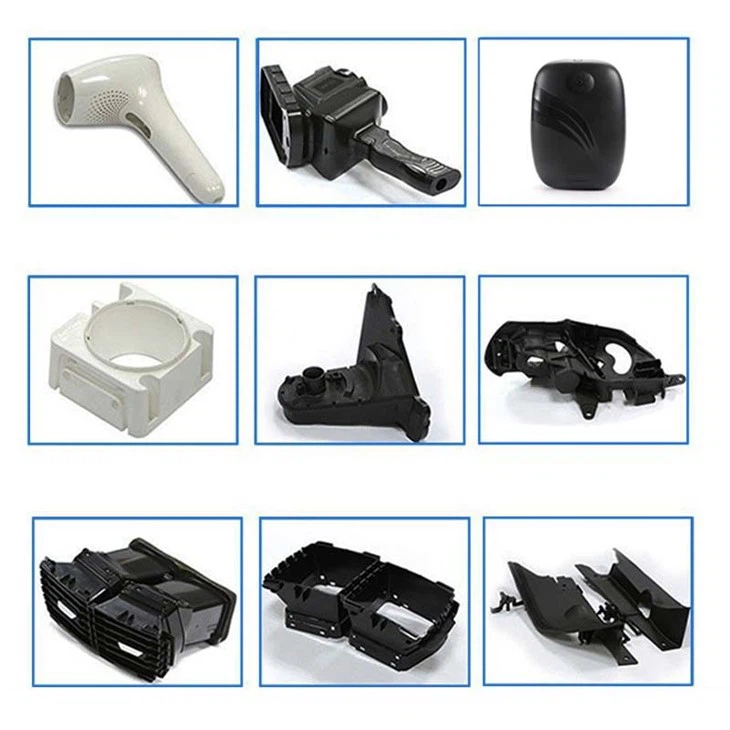
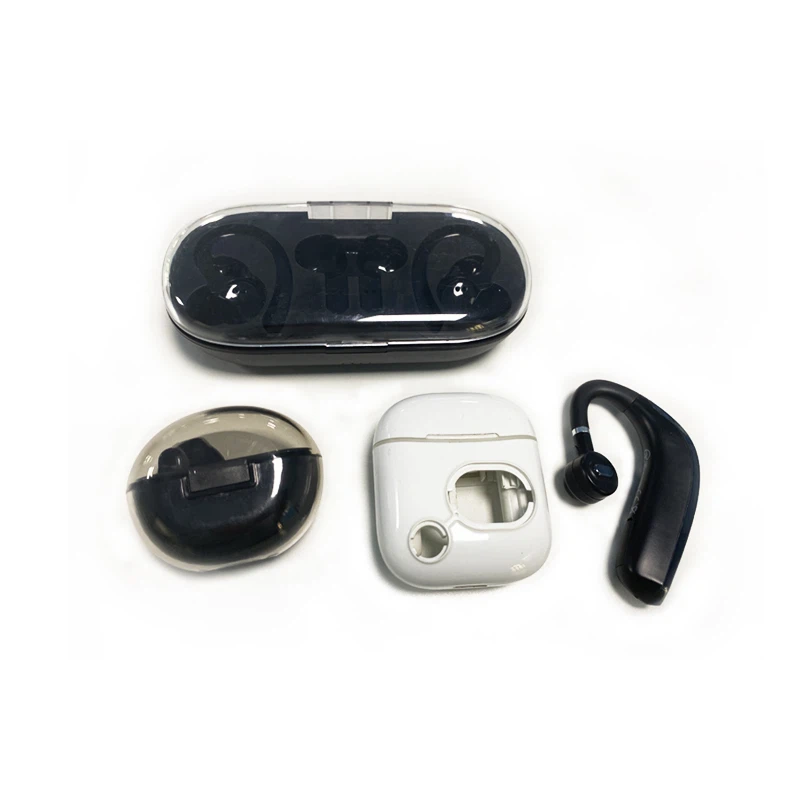
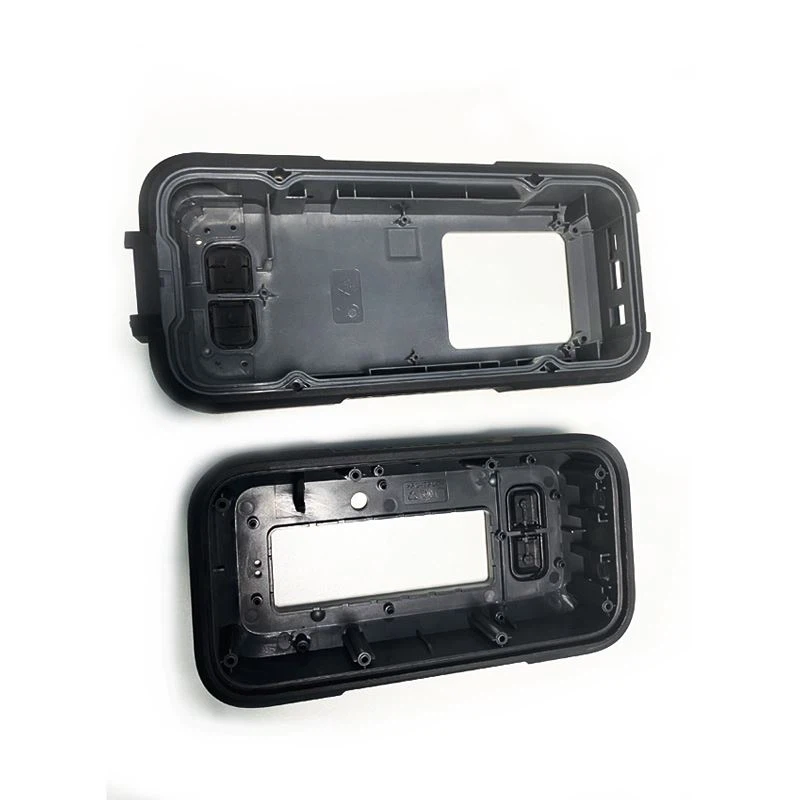
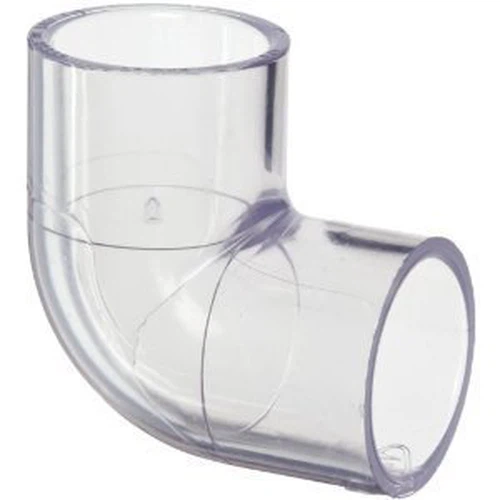
TPU injection molding is a manufacturing process that involves injecting thermoplastic polyurethane (TPU) into a mold to create a specific shape or object. This process is commonly used in the production of various consumer goods, automotive parts, medical equipment, and electronics. TPU is chosen for its flexibility, durability, and resistance to abrasion, oil, and chemicals.
Why Choose Us?
Professional Team: Our company has a professional team of engineers and sales, with over 15 years of technical expertise and rich manufacturing, design, research and development experience and technical capabilities in the engineering plastic industry.
Advanced Equipment: We have a complete set of efficient production equipment and advanced CNC machine tools, Obtained ISO quality management system in April 2022. We have developed and accumulated rich experience in research and production in the electronic product industry.
Customized services: We listen to our clients objectives and aspirations and therefore provide customize solutions.
Quality Control: We have professional personnel to monitor the production process, inspect the products and ensure that the final product meets the required quality level standards, guidelines and specifications.
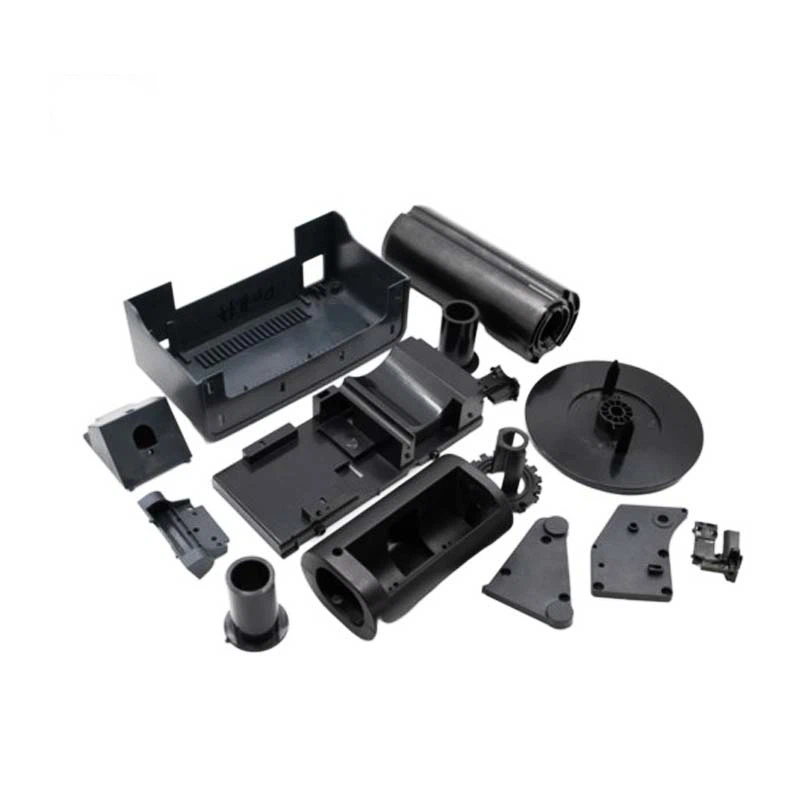


Benefits of TPU Injection Molding
TPU (thermoplastic polyurethane) injection molding offers enhanced flexibility compared to other thermoplastic materials. It provides excellent elongation and tear strength, allowing the produced parts to bend and stretch without breaking. This flexibility makes TPU injection molded products suitable for a wide range of applications, including footwear, automotive components, and consumer electronics.
TPU injection molded parts exhibit remarkable abrasion resistance, making them ideal for applications where durability and resistance to wear are crucial. The material is resistant to scratches and cuts, ensuring that TPU injection molded products maintain their appearance and performance even after prolonged use.
TPU is highly resistant to various chemicals, such as oils, solvents, and other common industrial substances. This chemical resistance allows TPU injection molded parts to withstand exposure to harsh environments without experiencing degradation or loss of performance. Consequently, TPU injection molded products find applications in industries such as automotive, medical, and chemical manufacturing.
TPU injection molding provides manufacturers with great versatility during the production process. The material can be easily processed to create intricate designs and complex shapes, enabling the production of customized parts for specific applications. This versatility makes TPU injection molding a suitable choice for industries that require high design flexibility, such as aerospace and sports equipment manufacturing.
TPU injection molding offers cost-effective production due to its short cycle times and high production rates. The material has fast melt and cooling properties, allowing for efficient mass production of parts. TPU injection molding also reduces the need for secondary operations, such as painting or coating, as the material can be colored directly during the injection molding process. This helps to lower production costs and increase overall productivity.
TPU injection molding produces parts with a smooth, glossy surface finish. This aesthetic appeal enhances the overall quality and visual appeal of the products. The material's ability to maintain color vibrancy and resist fading over time further contributes to the improved aesthetics of TPU injection molded products. This feature is particularly important for applications that require visually appealing products, such as consumer goods and electronics.
TPU injection molding minimizes material wastage during the production process. The material can be easily recycled and reused, further reducing environmental impact. Additionally, the ability to produce precise and consistent parts with TPU injection molding helps to minimize rejects and waste, ensuring efficient utilization of resources.
TPU injection molded parts exhibit excellent mechanical properties, including high tensile strength and toughness. This makes them highly durable and resistant to impact. The material's ability to withstand repeated flexing and bending without losing its structural integrity ensures the longevity of TPU injection molded products.
Types of TPU Injection Molding
Compression molding: This type of TPU injection molding involves placing a preheated TPU material into a mold cavity and compressing it with a specific pressure and temperature. The applied pressure allows the TPU to take the shape of the mold cavity, resulting in the desired product.
Injection molding: In this method, TPU pellets are melted and injected into a mold cavity under high pressure. The molten TPU fills the mold cavity, and as it cools and solidifies, it takes the shape of the mold. This process is commonly used for large volume production of TPU products.
Blow molding: TPU blow molding is similar to injection molding, but it is used for producing hollow, seamless products such as bottles or containers. In this process, a TPU parison, which is a hollow tube of molten TPU, is extruded into a mold cavity. The mold then closes, and air is blown into the parison to expand and shape it against the mold walls.
Overmolding: This technique combines TPU injection molding with other materials to create a multi-material product. TPU is injected onto a previously molded substrate, resulting in a bonded and integrated structure. Overmolding allows for the incorporation of different materials with varying properties, enhancing the functionality of the final product.
Insert molding: Insert molding involves placing preformed inserts or components into the mold cavity before TPU injection. The molten TPU then surrounds the inserts, creating a strong bond between the insert and the TPU material. This process is commonly used to create products with added strength or functionality, such as electronic components or ergonomic grips.
Reaction injection molding (RIM): RIM combines liquid TPU components with a catalyst to initiate a chemical reaction, resulting in a fast curing process. The mixture is then injected into a mold cavity where it rapidly solidifies into the desired shape. RIM is often used for producing large and complex TPU parts with intricate details.
Micro-injection molding: This specialized TPU injection molding technique is used for producing small and intricate parts with high precision. It involves injecting very small amounts of molten TPU into a micro-sized mold cavity. The process requires precise control over the injection parameters and is commonly used in industries such as electronics and medical devices.
Application of TPU Injection Molding

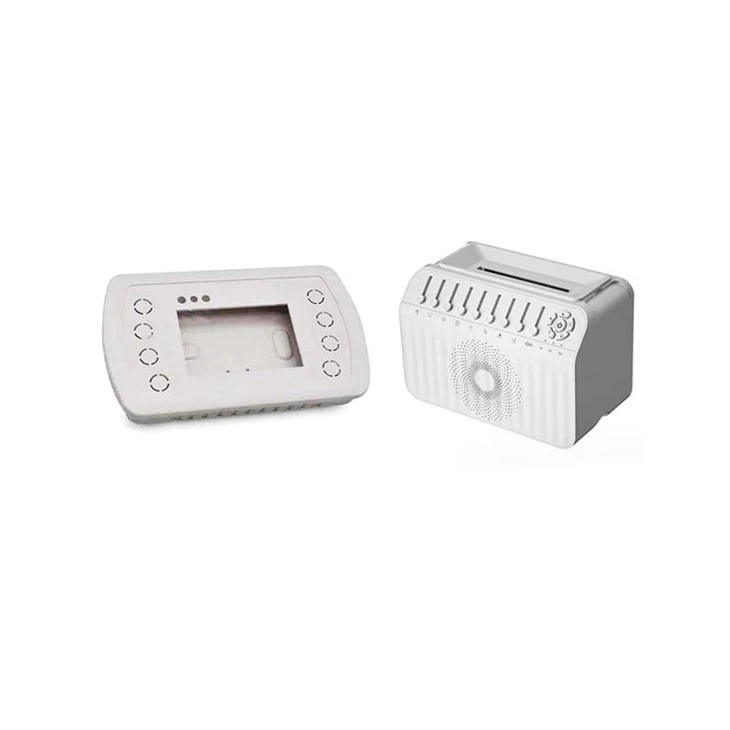
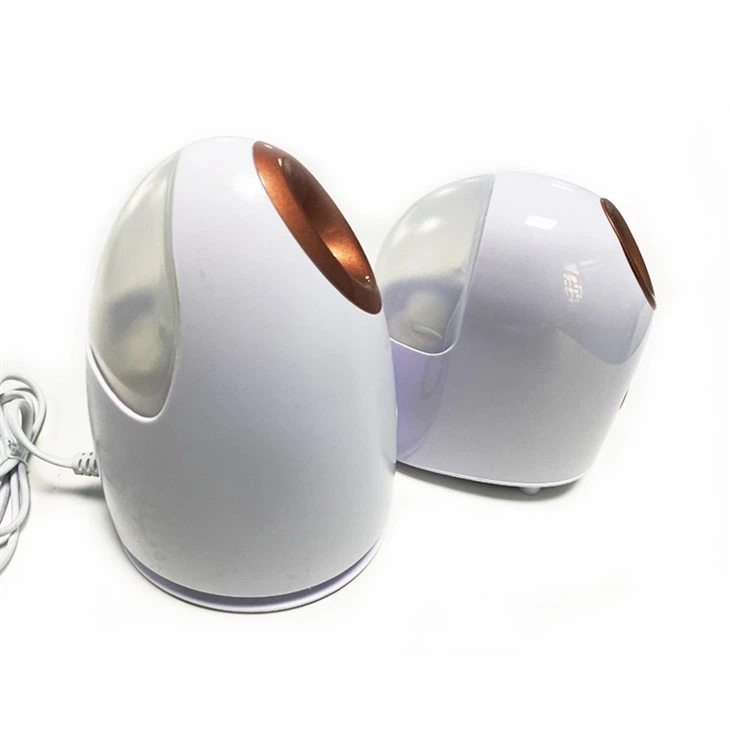
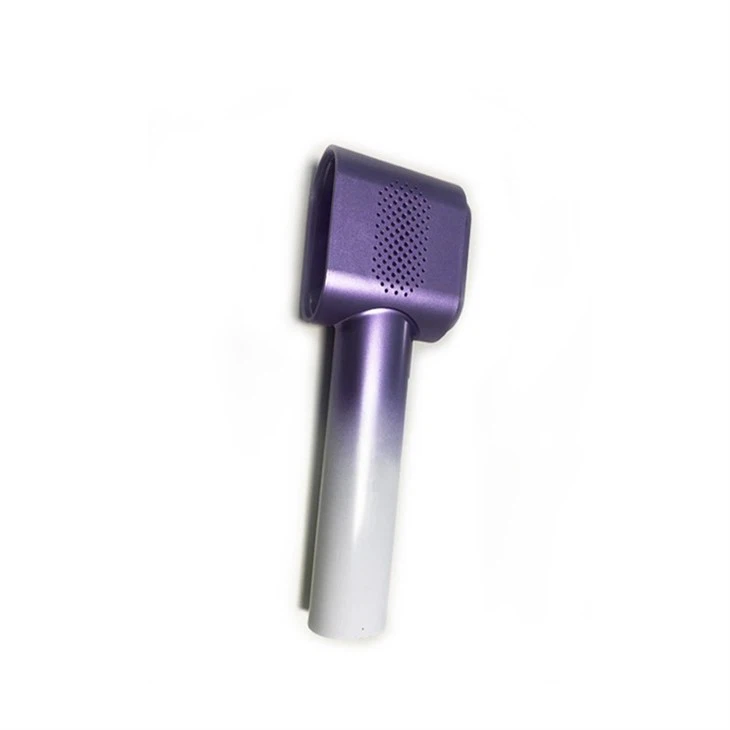
Point 1: TPU injection molding is commonly used in the footwear industry to produce shoes and shoe soles. The material's superior abrasion resistance, elasticity, and comfort make it an ideal choice for athletic shoes, work boots, and casual footwear.
Point 2: Another significant application of TPU injection molding is in the production of technical parts for various industries such as automotive, electronics, and consumer goods. TPU's excellent weather resistance, chemical resistance, and impact strength make it suitable for manufacturing gaskets, seals, belts, and connectors.
Point 3: TPU injection molding is also used in the healthcare sector to produce medical devices and equipment. The material's biocompatibility, sterilizability, and resistance to chemicals make it suitable for manufacturing items like catheters, tube connectors, and surgical instruments.
Point 4: TPU injection molding finds use in the manufacturing of protective gear and sportswear. The material's ability to provide impact protection, flexibility, and resistance to abrasion makes it suitable for producing items like helmets, knee pads, elbow pads, and protective clothing.
Point 5: TPU injection molding is utilized in the production of electronic components and accessories. The material's electrical insulation properties, flexibility, and resistance to chemicals enable the manufacturing of items such as phone cases, cable connectors, and headphone covers.
Point 6: The automotive industry benefits from TPU injection molding through the production of interior components such as dashboard trims, door handles, and seats. TPU's ability to withstand high and low temperatures, UV exposure, and wear and tear makes it a preferred choice for automotive applications.
Point 7: TPU injection molding also has applications in the field of industrial manufacturing. The material's toughness, resistance to oil and grease, and ability to be molded into complex shapes make it suitable for producing parts like conveyor belts, rollers, and tool handles.
What are the typical injection molding machine specifications for TPU?
Clamping Force: TPU is a thermoplastic elastomer with high flexibility and low modulus, so the clamping force required for molding is relatively low. Typical injection molding machines for TPU have a clamping force range of 5 to 100 tons.
Injection Unit: TPU has a higher melt viscosity compared to some other thermoplastics, so the injection unit of the molding machine should have a higher injection pressure capability. Typical machines for TPU have an injection pressure range of 1000 to 2000 bars.
Injection Speed: TPU has a medium to high flowability, so the injection speed should be set accordingly to ensure proper filling of the mold cavity without causing any defects. Typical machines for TPU have an injection speed range of 50 to 300 mm/s.
Injection Temperature: TPU has a relatively low processing temperature compared to many other thermoplastics. The recommended injection temperature for TPU is typically between 190 to 220 degrees Celsius. Therefore, the injection molding machine should allow precise temperature control within this range.
Mold Temperature: TPU molds require a moderate to high mold temperature to achieve optimal mechanical properties and minimize internal stresses. Typical machines for TPU have a mold temperature range of 30 to 80 degrees Celsius.
Cooling System: TPU parts require proper cooling to ensure solidification without warping or shrinkage. Injection molding machines for TPU should have an efficient and adjustable cooling system to control the cooling rate. Typical machines have a cooling capacity of 2 to 5 tons.
Screw Design: TPU has a low melt viscosity and good melt flow, so the injection molding machine should have a special screw design to ensure proper melting, mixing, and dispensing of the material. Typical machines for TPU have a screw diameter range of 20 to 50 mm and a length to diameter ratio of 20:1 to 25:1.
Shot Size: The shot size or shot weight capacity of the injection molding machine should be suitable for the desired TPU part. It depends on the required volume of the molded part. Typical machines for TPU have a shot size range of 10 to 100 grams.
Control System: A precise and user-friendly control system is essential for TPU injection molding. It should allow for easy adjustment and monitoring of various parameters such as temperature, pressure, and injection speed. Most modern machines come with advanced control systems and touchscreen interfaces.
Machine Size: The size and dimensions of the injection molding machine should be suitable for the available space in the production facility. Typical machines for TPU have a compact design with dimensions ranging from 2 to 5 meters in length and 1 to 3 meters in width.
How is the TPU injection molding process carried out
Material preparation: The first step involves preparing the TPU material, which is a thermoplastic elastomer known for its flexibility and durability. The TPU pellets or powders are measured and blended with any required additives, if necessary.
Material preparation: The first step involves preparing the TPU material, which is a thermoplastic elastomer known for its flexibility and durability. The TPU pellets or powders are measured and blended with any required additives, if necessary.
Molding cavity preparation: The mold cavity, which determines the final shape of the TPU product, is prepared by ensuring it is clean and free from any debris or previous residues. The mold is also preheated to prevent shrinking or warping during the molding process.
Injection: Once the TPU material reaches the desired temperature, it is injected into the mold cavity under high pressure. The injection unit of the machine pushes the molten TPU material through a nozzle and into the mold. The pressure helps to ensure that the material completely fills the cavity and maintains uniformity and accuracy in the final product.
Cooling and solidification: After the TPU material is injected into the mold, it begins to cool down and solidify. The cooling process can be accelerated by the use of coolant channels within the mold or by placing the mold in a separate cooling system. The cooling time depends on the size and complexity of the TPU product.
Mold opening: Once the TPU material has solidified, the mold is opened to reveal the newly formed TPU product. The mold is carefully separated, and any excess material or flash is removed from the edges of the product.
Ejection: The TPU product is then ejected from the mold using mechanical or hydraulic mechanisms. Ejection pins or plates are used to push the product out of the mold without causing any damage or deformation.
Post-processing: After the TPU product is ejected, any necessary post-processing steps may be carried out. This can include trimming or smoothing any rough edges, adding surface finishes, or performing quality checks to ensure that the product meets the required specifications.
Recycling: In cases where TPU waste or scrap is generated during the injection molding process, it is important to properly handle and recycle the material. TPU can be recycled and reused in subsequent molding processes, reducing overall waste and environmental impact.
Are there any safety considerations in TPU injection molding

Equipment Safety
Prioritize the use of machinery that meets safety standards and is regularly inspected and maintained. Ensure that all safeguards are in place, such as emergency stop buttons, safety interlocks, and protective covers.

Proper Training
Provide proper training to operators to ensure they have a clear understanding of the equipment and its operation. Train them on safety procedures, including wearing appropriate personal protective equipment (PPE) like gloves, safety glasses, and hearing protection.

Material Handling
TPU (Thermoplastic Polyurethane) can exhibit flammable properties if in contact with certain substances or under specific conditions. Ensure proper handling, storage, and disposal of TPU materials. Follow recommended guidelines from the material supplier and safety data sheets (SDS).

Material Analysis
The quality of the materials used to produce molded precision components is a crucial factor. Chemical analysis methods, such as spectroscopy and microscopy, are employed to verify the composition and purity of the materials. Any impurities, inclusions, or deviations from the desired material properties are identified through material analysis.

Ventilation
Adequate ventilation should be maintained in the TPU injection molding area to minimize the risk of exposure to fumes or vapors generated during molding. This can be achieved through the use of local exhaust ventilation systems or proper air circulation.

Temperature Control
TPU injection molding involves heating the material to a specific temperature range. Ensure that the equipment has effective temperature control mechanisms to prevent overheating, which may lead to material degradation or even fire hazards.

Machine Maintenance
Regularly inspect and maintain the injection molding machine to prevent any potential safety hazards. Address any malfunctioning components promptly and consider implementing a preventive maintenance schedule.
Emergency Preparedness
Have a well-defined emergency response plan in place, including procedures for handling fires, chemical spills, or any other unforeseen incidents. Provide training to employees on emergency procedures and regularly conduct drills to ensure readiness.
Electrical Safety
Ensure that the electrical systems and connections of the injection molding equipment comply with applicable safety regulations. Regularly check for loose or damaged wiring and promptly repair any issues.
Ergonomics
Consider the ergonomic design of workstations to minimize strain and injury to operators. Provide adjustable workstations, proper seating, and ergonomic tools to reduce the risk of musculoskeletal disorders.
Risk Assessment
Conduct regular risk assessments to identify potential safety hazards and implement necessary control measures. Evaluate the entire injection molding process, from material handling to finished product packaging, to ensure a safe working environment.
Certifications


Our Factory
Our company has a professional team of engineers and sales, with over 15 years of technical expertise and rich manufacturing, design, research and development experience and technical capabilities in the engineering plastic industry, supporting personalized customization. We have a complete set of efficient production equipment and advanced CNC machine tools.


Frequently Asked Questions TPU Injection Molding
Q: What is TPU?
Q: What are the advantages of TPU injection molding?
Q: What types of products can be produced through TPU injection molding?
Q: How is the TPU injection molding process carried out?
Q: Can any mold be used for TPU injection molding?
Q: What are the typical injection molding machine specifications for TPU?
Q: Is TPU injection molding only suitable for mass production?
Q: Can TPU materials be recycled in the injection molding process?
Q: Are there any limitations to TPU injection molding?
Q: Can TPU injection-molded products be customized?
During the injection molding process, the TPU material can be molded into a wide range of complex shapes and structures, allowing for the creation of customized products with unique features and properties. Additionally, TPU can be combined with other materials, such as nylon or polycarbonate, to create hybrid materials with enhanced performance characteristics.
Overall, TPU injection molding offers a great deal of flexibility and customization options, which makes it a popular choice for manufacturers
Q: What are the main factors affecting TPU injection molding quality?
Q: Is TPU injection molding a cost-effective process?
Q: How can I ensure consistent quality in TPU injection molding?
Q: What are the typical defects in TPU injection-molded products?
Q: Can TPU injection-molded products be post-processed?
Q: What is the expected lifespan of TPU injection-molded products?
Q: Are there any safety considerations in TPU injection molding?
Q: Is TPU injection molding suitable for food-contact applications?
Q: Can TPU injection-molded products withstand extreme temperatures?
Q: Where can I find a reliable TPU injection molding service provider?
| Origin |
Guangdong, China |
||||||||||
| Product size |
Customizable size |
||||||||||
| Mold cavity |
Single cavity/multi cavity |
||||||||||
| Delivery time |
Mold 15-30 days |
||||||||||
| Injection molded shell |
delivery time based on quantity |
||||||||||
| Model |
SY-TMY |
||||||||||
| Graphics format |
2D/(PDF/CAD) 3D (IGES/STEP) Mold material: Nak80, P20, H718, S136, SKD612738, DC53, H13, etc |
||||||||||
| Service |
OEM \ ODM |
||||||||||
| Molding Method |
injection molding/mold manufacturing |
|||
| Mold Life |
200000-500000 Injection |
|||
| Molding Material |
ABS/PP/PVC/PET/PA66/PA6/PMMA/PUS PCTG/TPE/TPU/PBT, etc |
|||
| Production Experience | 20 Years Of Injection Mold Manufacturing | |||
| Application Industries | Beauty Salon/Smart Home/3C Digital Electronics/Vehicle/Computer, Etc. | |||
| Injection Molding Machine | 90T-470T | |||
|
Injection Molding Machine Processing Method |
customized drawings or sample processing | |||
| Certificate | GB/T19001-2016/s09001:2015 | |||