


Injection Mold
What is a Injection Mold?
An injection mold is a tool used to produce plastic parts by injecting molten plastic into a mold cavity. The mold consists of two halves, called the cavity and core, which are joined together to form the shape of the part. The plastic is injected into the cavity through a gate, and then cooled and solidified to form the final part.
Why Choose Us?
Professional Team: Our company has a professional team of engineers and sales, with over 15 years of technical expertise and rich manufacturing, design, research and development experience and technical capabilities in the engineering plastic industry.
Advanced Equipment: We have a complete set of efficient production equipment and advanced CNC machine tools, Obtained ISO quality management system in April 2022. We have developed and accumulated rich experience in research and production in the electronic product industry.
Customized services: We listen to our clients objectives and aspirations and therefore provide customize solutions.
Quality Control: We have professional personnel to monitor the production process, inspect the products and ensure that the final product meets the required quality level standards, guidelines and specifications.


Benefits of Injection Mold
1. Cost-Efficient
Injection molding is a highly efficient and cost-effective manufacturing process. It allows for mass production of parts, making it more economical compared to other manufacturing methods. The cost per part reduces significantly as the number of manufactured pieces increases.
2. Design Flexibility
Injection molding offers great design flexibility. It can produce complex shapes and intricate details with ease. This allows designers to create products with unique features and functionalities. The ability to incorporate multiple materials, colors, and finishes further enhances the design possibilities.
3. High Precision and Consistency
Injection molding ensures high precision in the production of parts. The molds are precisely machined to produce parts that have consistent dimensions and details. This guarantees uniformity and eliminates variations in product quality, resulting in functional and reliable end products.
4. Quick Turnaround
Injection molding is a fast process that enables quick turnaround time. Once the molds are set up, the production cycle becomes efficient, allowing for the rapid production of parts. This is particularly beneficial in meeting tight project deadlines or rapidly changing market demands.
5. Material Variety
Injection molding supports a wide range of materials, including plastics, metals, and elastomers. This versatility enables manufacturers to choose the most suitable material for a specific application. Different materials offer various properties like strength, flexibility, heat resistance, and more, making injection molding suitable for diverse industries and products.
6. Minimal Waste
Injection molding produces minimal waste as any excess material can be reused. This reduces material costs and minimizes environmental impact. Additionally, the precise control of the molding process reduces the need for post-production trimming and finishing, further reducing waste generation.
7. Enhanced Product Strength
The injection molding process allows for the creation of highly durable and strong parts. The components produced have excellent mechanical properties, including high tensile strength, impact resistance, and dimensional stability. This makes injection molding ideal for applications that require sturdy and reliable products.
8. Scalability
Injection molding is highly scalable, making it suitable for both small-scale and large-scale production. Once the molds are developed, the production process can be easily replicated to produce identical parts. This scalability ensures consistent quality and cost-efficiency, regardless of the production volume.
9. Reduced Labor Costs
Compared to other manufacturing techniques, injection molding requires minimal labor. The process is automated, with machines handling most of the operations. This reduces labor costs, optimizes productivity, and eliminates the risk of human errors, ensuring higher efficiency and lower production costs.
Types of Injection Mold


Open-cavity Mold: This type of injection mold has only one cavity, allowing for the creation of a single part at a time. It is commonly used when a limited production quantity is required or when the part complexity is high. Open-cavity molds are also suitable for prototypes or small production runs.
Multi-cavity Mold: Unlike open-cavity molds, multi-cavity molds consist of multiple cavities, which enable the production of several parts simultaneously. This type of mold is ideal for high-volume production, as it increases productivity and reduces manufacturing costs per part.
Family Mold: A family mold comprises multiple cavities that produce different parts simultaneously. It allows the creation of different parts that are related or assembled together, ensuring higher efficiency and reducing the need for multiple molds.
Hot Runner Mold: In a hot runner mold, the runner system (the passage that delivers the molten plastic to the cavities) is continuously heated. This eliminates the need for the plastic to solidify in the runner, reducing waste and cycle time. Hot runner molds are commonly used for high-volume production.
Cold Runner Mold: The runner system in a cold runner mold is not heated, resulting in a solidification of the plastic in the runner. The solidified material is then ejected together with the part, creating waste. Cold runner molds are suitable for low-volume production or when multiple resins or colors need to be used.
Insert Mold: Insert molding involves the insertion of preformed components, such as metal inserts or molded plastic pieces, into the mold before injection. This process allows for the creation of parts with added functionalities or improved strength.
Overmold: Overmolding is used to combine multiple materials or colors into a single part. It involves molding one material onto a previously molded part, creating a layered or encapsulated component. Overmolding is commonly used for grip handles, soft-touch surfaces, or multi-material products.
Prototype Mold: A prototype mold is specifically designed for the production of prototypes or small quantities of parts to test their form, fit, and function before full-scale production. It is a cost-effective option for product design verification and refinement.
Unscrewing Mold: Unscrewing molds are utilized when a part needs internal or external threads. This type of mold incorporates a rotating mechanism that unscrews the part from the mold core or cavity, allowing for the creation of threaded components.
Stack Mold: A stack mold consists of multiple mold faces or levels, allowing for the creation of multiple parting planes. This increases the production capacity and reduces the cycle time, making it suitable for high-volume manufacturing.
Application of Injection Mold
Automotive industry: The automotive industry extensively uses injection molds to manufacture various components such as dashboards, panels, bumpers, and interior trim.
Medical devices: Injection molding is also used in the production of medical devices, including syringes, IV catheters, and surgical instruments.
Consumer goods: The consumer goods industry utilizes injection molds for manufacturing items like toys, electronic components, and packaging materials.
Appliances industry: The appliances industry relies on injection molds to produce parts for refrigerators, ovens, and washing machines.
Electronic equipment: Injection molds are used in the production of electronic devices such as mobile phones, laptops, and gaming consoles.
Packaging industry: Packaging industry employs injection molds for the manufacturing of bottles, caps, and containers for food, beverages, and personal care products.
Aerospace industry: The aerospace industry utilizes injection molding for producing components like brackets, covers, and panels.
Construction industry: The construction industry employs injection molding for producing pipes, fittings, and other building materials.
Material of Injection Mold
The most commonly used material for injection molds is plastic. This is due to its versatility, cost-effectiveness, and ease of processing. Different types of plastic can be used, such as polyethylene, polypropylene, polystyrene, and polyvinyl chloride (PVC).
Metal injection molds are commonly used for high-volume production and complex shapes. They can withstand high temperatures and pressures, making them suitable for demanding applications. Common metal materials used include aluminum, steel, and copper alloy.
Ceramic injection molds are known for their excellent heat resistance and durability. They can be used for high-temperature and abrasive materials. Silicon carbide, zirconium oxide, and aluminum oxide are commonly used ceramic materials for injection molds.
Composite injection molds are made by combining different materials to achieve specific properties. This can include metal inserts, fiberglass, carbon fiber, or other reinforcing materials. The combination of materials enhances the strength, stiffness, and longevity of the mold.
Rubber injection molds are used for elastomeric materials, such as silicone or natural rubber. These molds have high flexibility and excellent resistance to wear and tear. Rubber molds are commonly used for producing seals, gaskets, and other rubber components.
Glass injection molds are used for producing glass products, such as bottles, vials, and glassware. These molds need to have high resistance to temperature changes and excellent surface finish to ensure the quality of the final product.
Wood injection molds are commonly used for prototyping or low-volume production. They are cost-effective and easy to work with. However, wood is not as durable as other materials and may require more frequent replacement.
Wax injection molds are used in the investment casting process to create wax patterns. These patterns are then coated with ceramic and melted out, leaving behind a cavity for casting metal parts. Wax molds need to have precise dimensions and good surface finish.
Components of Injection Mold
Mold Base: The mold base is the bottom part of the mold assembly and provides support and stability for the other components. It is usually made of steel or aluminum and contains various pockets and holes to accommodate other mold components.
Cavities and Cores: These are the main components responsible for creating the desired shape of the plastic part. The cavity is the part of the mold that forms the outer surface of the product, while the core creates the internal features. These components are usually made of high-quality steel and are precision-machined to ensure accurate and repeatable molding.
Sprue and Runners: The sprue is a channel through which the molten plastic flows into the mold cavity from the injection molding machine. Runners are additional channels that distribute the plastic to multiple cavities or core inserts. They help in evenly filling the mold and ensuring proper cooling. These components are typically designed to be easily removable to facilitate mold maintenance.
Ejector System: The ejector system is responsible for removing the molded part from the mold after it has cooled and solidified. It consists of ejector pins or sleeves that push the part out of the cavity or core. In some cases, ejector plates or stripper plates may be used to release the entire mold assembly.
Cooling System: The cooling system is crucial for proper solidification of the plastic material and faster cycle times. It typically consists of cooling channels or water lines strategically placed throughout the mold assembly. The cooling medium circulates through these channels, carrying away heat and reducing the part cooling time.
Venting System: Venting is essential to allow air or gases to escape from the mold cavity during the injection process. It prevents voids, burning, or other defects on the molded part surface. Venting can be achieved through special design features such as vents, grooves, or micro-perforations in the mold.
Guide Systems: Guide systems ensure precise alignment and movement of the mold components during the molding process. They include guide pins, bushings, sliders, or lifter mechanisms that control the opening and closing of the mold and help in the ejection of the part.
Mold Inserts and Interchangeable Components: Mold inserts are used for adding features or changing specific areas of the mold without having to replace the entire mold assembly. They provide flexibility and cost savings. Interchangeable components such as interchangeable cavities or cores are used for producing different part designs or sizes on the same mold base.
General Safety Requirement Checklist Injection Mold



1. Personal Protective Equipment (PPE)
All employees working in the vicinity of the injection mold must wear appropriate PPE, including safety goggles, gloves, and protective clothing.
Ensure that the PPE is in good condition and fits properly.
Regularly train employees on the proper use and care of PPE.
2. Work Environment
Maintain a clean and organized work area to prevent slips, trips, and falls.
Ensure that the work area is well-lit and adequately ventilated.
Keep aisles and walkways clear of any obstructions.
Regularly inspect and maintain equipment and machinery to avoid any safety hazards.
3. Machine Safety
Provide training to employees on the safe operation of injection molding machines.
Ensure that machines are properly guarded to prevent access to hazardous moving parts.
Regularly check and maintain emergency stop buttons and safety interlocks.
Develop and implement lockout/tagout procedures to prevent accidental machine startup during maintenance.
4. Material Handling
Train employees on the safe handling and storage of raw materials and finished products.
Use appropriate lifting techniques to avoid strains and injuries.
Securely store materials to prevent them from falling or causing tripping hazards.
Regularly inspect and maintain material handling equipment, such as forklifts and cranes.
5. Emergency Preparedness
Develop and communicate emergency procedures to all employees, including evacuation plans and reporting mechanisms for accidents.
Ensure that fire extinguishers, first aid kits, and other emergency equipment are readily accessible and regularly inspected.
Conduct regular drills to test employees' knowledge and response to emergencies.
6. Electrical Safety
Regularly inspect and maintain electrical systems and equipment to prevent electrical shocks or fires.
Establish clear guidelines for working with electrical equipment and provide appropriate training.
Encourage employees to report any electrical hazards or malfunctions immediately.
7. Hazard Communication
Develop a comprehensive hazard communication program to inform employees about potential hazards associated with injection molding processes and materials.
Label and provide Safety Data Sheets (SDS) for all chemicals used in the injection molding process.
Train employees on the safe storage, handling, and disposal of hazardous materials.
Working Principle of Injection Mold
Mold design: The first step is to design the mold. This involves determining the shape, size, and specifications of the plastic component that needs to be produced. The mold design also includes considering factors such as draft angles, vents, cooling channels, and ejection mechanisms.
Material preparation: The next stage is to prepare the material that will be injected into the mold. Plastic pellets are typically used and are melted in a heated barrel of the injection molding machine. The molten plastic is then injected under high pressure into the mold cavity.
Mold clamping: Once the material is injected, the mold is closed and clamped tightly to ensure a secure and precise fit. This prevents any leaks or defects in the final product.
Injection process: The melted plastic is pushed into the mold cavity through a nozzle. It fills the cavity and takes the shape of the mold. The pressure and speed of injection are carefully controlled to achieve the desired quality and accuracy.
Cooling and solidification: After the plastic is injected into the mold, it needs to cool and solidify to maintain its shape. Cooling channels within the mold help speed up the process. The cooling time varies depending on the material and size of the component.
Mold opening and ejection: Once the plastic has solidified, the mold is opened, and the component is ejected. Ejection pins or plates are used to push the component out of the mold. The mold should be designed with appropriate draft angles to facilitate easy ejection without causing any damage to the part.
Repeating the cycle: The entire injection molding process is repeated for each component that needs to be produced. The cycle time, which includes injection, cooling, mold opening, and ejection, is optimized for efficiency and productivity.
Quality control: Throughout the injection molding process, quality control measures are implemented to ensure that the produced components meet the specified requirements. This may include visual inspection, dimensional checks, and functional testing.
Maintenance Tips for Injection Mold
Clean and lubricate the mold regularly: A clean and lubricated mold ensures smooth and efficient operation. Use appropriate cleaning agents and lubricants to prevent the buildup of dirt, debris, and rust.
Check and replace worn-out components: Regularly inspect the mold for any signs of wear and tear. Pay close attention to areas such as ejector pins, sliders, and cooling channels. Replace any worn-out or damaged components to ensure optimal performance.
Proper storage: When not in use, store the injection mold in a dry and secure place. Protect it from moisture, dust, and any potential damage. Consider using protective covers or storage containers to minimize the risk of corrosion or other forms of damage.
Monitor and control the temperature: Injection molds work under different temperature conditions. Monitor the temperature of the mold and ensure it remains within the recommended operating range. High temperatures can cause thermal stress and affect the overall lifespan of the mold.
Regular maintenance of cooling system: Check and clean the cooling system regularly to prevent any blockages or obstructions. Proper cooling is crucial for efficient operation and to avoid defects in the molded parts.
Perform regular inspections: Inspect the mold for any cracks, chips, or other forms of damage. Detecting and addressing these issues early can prevent further damage and avoid production delays.
Train operators properly: Provide proper training to operators on mold handling, maintenance, and safety procedures. This will help prevent any accidental damage and ensure that the mold is handled correctly.
Develop a maintenance schedule: Create a maintenance schedule that includes cleaning, lubrication, inspections, and component replacements. Stick to the schedule and ensure that all necessary maintenance activities are performed on time.
Work with experienced mold suppliers: Collaborate with reputable and experienced mold suppliers who provide proper guidance and support for mold maintenance. They can offer valuable insights and recommendations specific to the injection mold you are using.
Document maintenance activities: Keep a detailed record of all maintenance activities performed on the injection mold. This documentation will help track the mold's performance, identify any recurring issues, and plan future maintenance effectively.
Certifications





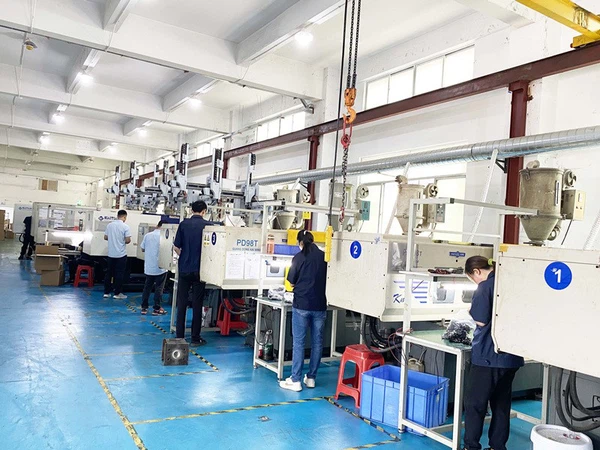
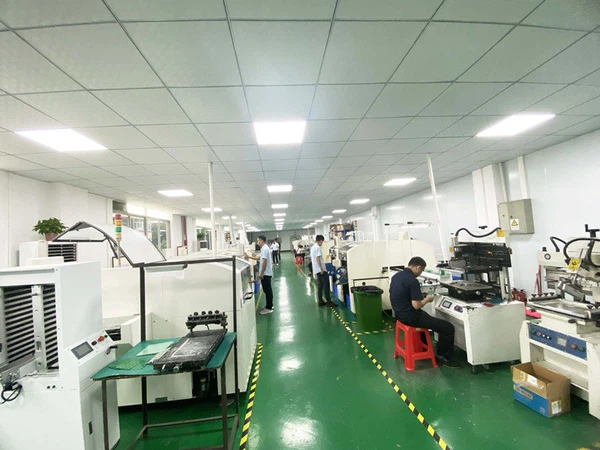
Our Factory
Our company has a professional team of engineers and sales, with over 15 years of technical expertise and rich manufacturing, design, research and development experience and technical capabilities in the engineering plastic industry, supporting personalized customization. We have a complete set of efficient production equipment and advanced CNC machine tools.


Frequently Asked Questions Injection Mold
Q: What is injection mold?
Q: How does an injection mold work?
Q: What are the different types of injection mold?
- Single cavity mold: This type of mold has one cavity that produces one part per cycle.
- Multicavity mold: This type of mold has multiple cavities that produce multiple parts per cycle.
- Hot runner mold: This type of mold uses a network of heated pipes to maintain the plastic material in a molten state as it travels through the mold.
- Cold runner mold: This type of mold uses a system of cold pipes to deliver the plastic material to the mold cavity.
Q: What are the advantages of using injection mold?
- High production rates: Injection molding can produce thousands of parts per hour, making it ideal for high-volume production.
- Consistent quality: Injection molds produce parts with consistent dimensions and tolerances, which can improve the quality of the finished product.
- Cost-effectiveness: Injection molds can be designed for a wide range of applications, from small consumer products to large industrial components, making them a cost-effective solution for many manufacturing needs.
Q: How long does it take to create an injection mold?
Q: What materials are used to make injection molds?
Q: How much does it cost to make an injection mold?
Q: How long does an injection mold last?
Q: Can injection molds be repaired?
Q: What is the difference between a single cavity and multicavity mold?
Q: What is a hot runner mold?
Q: What is a cold runner mold?
Q: How is the quality of an injection molded part ensured?
Q: What are the considerations for injection mold design?
Q: What are the 3 main parts of the injection mold?
As we know, most of injection molding machine have 3 main parts: Machine`s Frame, Injection Unit & Clamping Unit. The machine`s controlling system connect these injection molding machine parts together to an injection machine.
Q: What are the precautions for injection molding mould?
Locate and ensure you are familiar with all machine operations and controls.
Ensure all guards are fitted, secure and functional. Do not operate if guards are missing or faulty.
Check workspaces and walkways to ensure no slip/trip hazards are present.
Q: How many times can an injection mold be used?
Q: What is the purpose of the gates in an injection mold?
What is a gate? Injection molding involves forcing molten plastic material into a mold cavity, where the material solidifies to form a part. During this process, the molten plastic travels through channels called sprues and runners until it reaches a gate, an opening that allows the plastic to enter the mold cavity.
Q: How long does an injection mould last?
Q: Do injection molds need vents?
We're professional injection mold manufacturers and suppliers in China, specialized in providing high quality customized service. We warmly welcome you to wholesale cheap injection mold made in China here from our factory. Contact us for quotation.
Abs Plastic Injection Molding, Polycarbonate Injection Molding, Polyester Injection Molding